
Dracocephalum grandiflorum
Dracocephalum grandiflorum
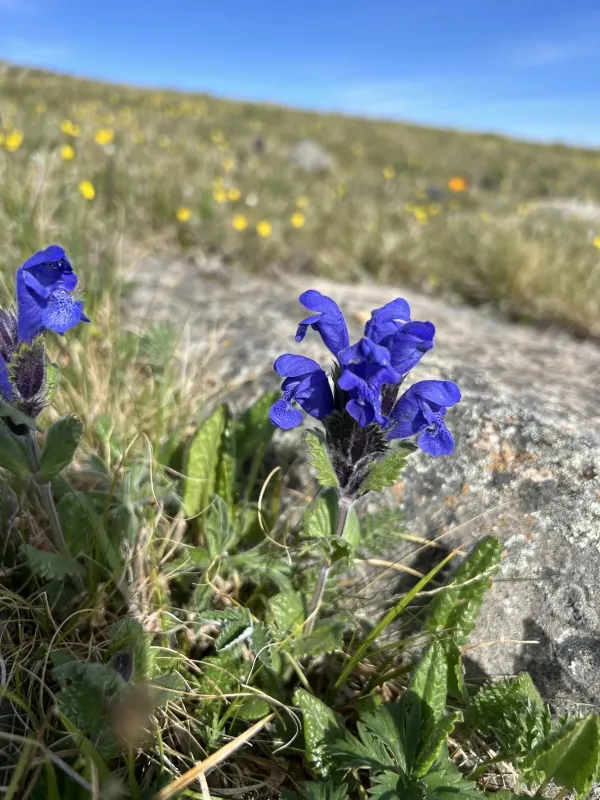
Description
Sowing dates
Dracocephalum grandiflorum, commonly known as big-flowered dragonhead, is a perennial herbaceous plant belonging to the Lamiaceae family. It is best propagated through seeds sown either in late autumn or early spring after the frost clears.
Seeds are tiny and require a period of stratification to break dormancy. For spring sowing, they should be covered with a thin layer of soil, no deeper than 1-2 cm, to ensure they receive enough light for germination.
A row spacing of 45-60 cm is recommended to allow for optimal air circulation and ease of maintenance. This spacing is crucial for managing weed growth during the early stages of plant development.
Germination typically occurs within 2 to 3 weeks under favorable conditions. During the first year, the plant focuses on establishing a strong basal rosette of leaves before producing flowering stems in subsequent years.
To maximize yields, maintain a plant density of approximately 200,000 to 250,000 plants per hectare. Consistent seedbed preparation is vital to ensure uniform emergence across the field.
Growing requirements
Big-flowered dragonhead is highly heliophilic, meaning it requires full sun exposure to flourish. Shade-grown plants often exhibit weaker stems and significantly lower essential oil production.
The plant thrives in fertile, well-drained loam or sandy soil. It is intolerant of waterlogged conditions, which can lead to rapid root decay; therefore, a well-drained site is non-negotiable.
It is remarkably hardy, capable of surviving harsh, cold climates. The plant enters dormancy in winter and reliably resumes growth in spring, making it suitable for high-latitude or high-altitude agriculture.
Water requirements are moderate. While the plant is somewhat drought-tolerant once established, supplemental irrigation during the peak growing phase and flowering period will significantly improve biomass production.
The soil pH should ideally remain between 6.0 and 7.5. If the soil is excessively acidic, agricultural lime should be applied before sowing to adjust the pH to the preferred range.
Main diseases and pests
Powdery mildew is a common fungal threat, characterized by a white, flour-like growth on the leaves. It usually occurs in areas with high humidity and poor ventilation between plants.
Root rot, often caused by *Phytophthora* or *Pythium* species, can be devastating in heavy, saturated soils. Proper soil drainage and avoiding over-irrigation are the best preventative measures.
Aphids can infest the succulent growing tips, causing leaf curling and reduced plant vigor. Monitoring for these pests in the spring is essential for timely intervention.
Spider mites may appear during hot, dry spells. They cause foliage to turn yellow or speckled, which negatively affects the quality of the harvested essential oils.
Implementing a strict crop rotation strategy is advisable to prevent the buildup of soil-borne pathogens and to maintain overall field hygiene for the long-term success of the crop.
Harvesting
The harvesting stage is critical for oil quality. The aerial parts should be cut during the full-bloom phase when the concentration of aromatic compounds and essential oils is at its peak.
Plants should be mowed or harvested by hand at a height of approximately 10-15 cm from the ground. This preserves the crown and allows the plant to regenerate for subsequent harvest cycles.
Immediate processing is necessary after harvesting. Drying should occur in a shaded, well-ventilated area or a temperature-controlled dryer kept below 40 degrees Celsius to prevent volatile oil loss.
The dried herb should be stored in opaque, airtight containers in a cool, dark environment. This practice preserves the intense fragrance and medicinal potency of the big-flowered dragonhead.
Properly dried and handled, the crop serves as an excellent ingredient in herbal teas, natural cosmetic products, and pharmacological applications, ensuring a good market value for producers.