
Diviner's sage
Salvia divinorum
Salvia divinorum, commonly known as Diviner's sage, is a perennial herb belonging to the Lamiaceae family. Native to the cloud forests of the Sierra Mazateca in Oaxaca, Mexico, it is a plant adapted to high-altitude, humid, and shady environments.
What the section contains
Diviner's sage
This crop requires specific environmental conditions to thrive, primarily high air humidity and protection from direct, intense sunlight. It is best suited for greenhouse environments where temperature stability between 15°C and 25°C can be maintained throughout the growing cycle.
The ideal growing medium should be porous, well-draining, and rich in organic matter. Overwatering must be avoided, as the root system of Salvia divinorum is highly susceptible to rot if oxygen supply is restricted by waterlogged soil conditions.
In terms of agricultural techniques, propagation is almost exclusively conducted via stem cuttings due to the plant's rarity of flowering and limited seed production in non-native habitats. Cuttings root effectively in moist peat or vermiculite under high humidity conditions.
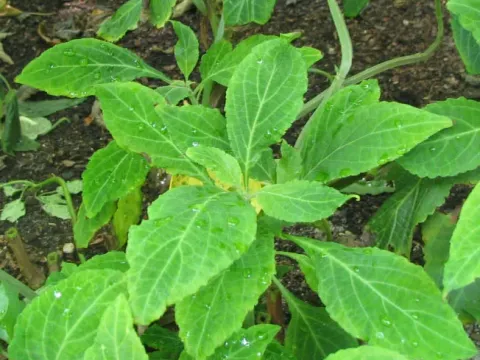
The plant features large, broad, deep green leaves with a serrated texture. Its stems are succulent and prone to breaking, which is why structural support or careful spacing is necessary in commercial-scale greenhouse cultivation to preserve the integrity of the foliage.
The primary threats to Salvia divinorum include fungal pathogens that thrive in high-humidity settings with poor airflow. Common issues include root rot and stem decay, which are frequently triggered by overwatering and the accumulation of standing water.
Pest management is a critical aspect of cultivation, with spider mites and whiteflies being the most prominent threats. These pests can rapidly colonize plants in controlled environments, leading to leaf yellowing, stunting, and potential crop failure if left unchecked.
Maintaining proper hygiene within the cultivation area is the most effective way to prevent pest infestations. Regular inspections and the implementation of air circulation systems significantly reduce the risk of humidity-related pathogens establishing themselves on the plants.
Chemical intervention should be used with extreme caution. The plant's sensitivity to synthetic pesticides necessitates the use of biological control agents or soft soaps, and even then, application rates must be carefully calibrated to avoid harming the fragile leaves.
Overall plant health is sustained through consistent monitoring of nutrient levels and pH. Ensuring that the plant receives adequate nitrogen and micronutrients helps maintain robust growth, which in turn improves the plant's natural resistance to environmental stress and minor pathogen attacks.