
Dracocephalum botryoides
Dracocephalum botryoides
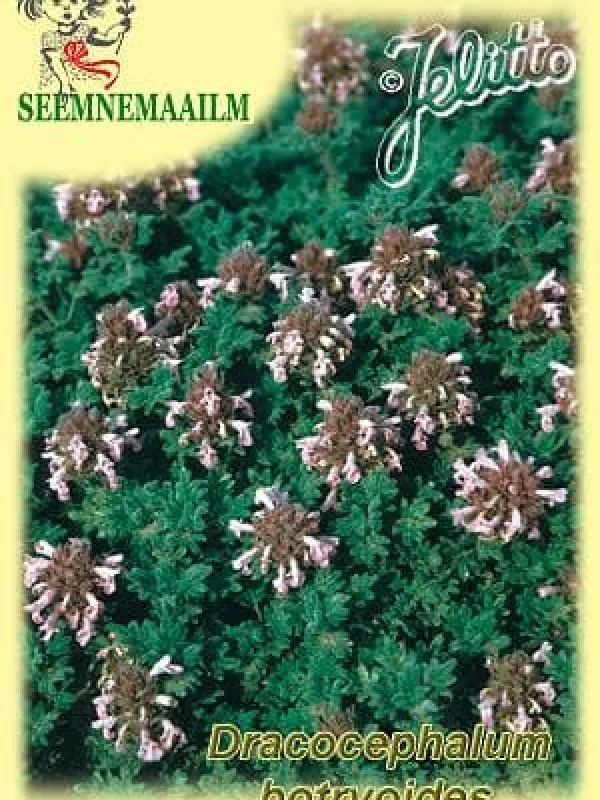
Description
Sowing dates
Dracocephalum botryoides is a perennial plant that requires specific seed preparation for successful germination. Due to seed dormancy, stratification is often necessary to achieve a high seedling emergence rate.
Sowing should take place in early spring once the soil temperature consistently reaches 8–10 degrees Celsius. Shallow sowing at a depth of 1–1.5 cm is crucial, as the seeds have limited energy reserves for deep burial.
Row sowing is recommended for commercial production, with spacing between 30 and 45 cm. This layout allows for mechanized cultivation and effective weed control during the early stages of plant development.
The seedbed must be firm and level to ensure good soil-to-seed contact. Maintaining consistent soil moisture during the germination period is vital, but waterlogging must be strictly avoided.
Crop rotation is an essential agricultural practice. It is recommended to avoid planting this species in fields recently occupied by other Lamiaceae family members to prevent the buildup of species-specific pests.
Growing requirements
Belonging to the Lamiaceae family, this crop is highly photophilous. It thrives in locations with full sun exposure, which is necessary for the optimal synthesis of essential oils in the foliage.
The plant prefers well-drained, light-textured soils such as sandy loams. Heavy, clay-heavy soils that retain too much moisture are detrimental and significantly increase the risk of root rot.
Dracocephalum botryoides is well-adapted to cooler, high-altitude climates and exhibits good tolerance to moderate drought conditions. Excessive nitrogen fertilization is discouraged as it may produce lush foliage at the expense of oil quality.
A neutral soil pH range of 6.5 to 7.5 is ideal. Soil testing and necessary amendments are recommended before planting to ensure that the nutrient balance supports consistent growth throughout the season.
Air circulation is another key environmental requirement. Planting in areas with good natural ventilation helps to prevent humidity buildup and keeps the canopy dry after rainfall.
Yield
The economic yield of the crop is highly dependent on environmental factors and the timing of the harvest. Productivity is maximized when plants are grown in their optimal temperature range with adequate sunlight.
The primary yield component is the aromatic aerial biomass. Producers monitor the volatile oil content closely, as the levels of these compounds fluctuate throughout the plant's life cycle.
Under favorable management, the crop can provide stable annual yields. Proper post-harvest handling, including rapid cooling or drying, is essential to preserve the biological compounds for market readiness.
Field longevity is a factor to consider, as the plant can remain productive for several years if managed correctly. Regular rejuvenation and thinning help maintain the health and vigor of the stands.
Total yields per hectare are generally measured by dry biomass weight, though market value is often determined by the purity and concentration of the harvested essential oils.
Main diseases and pests
Due to its rich chemical profile of essential oils, the plant is naturally resistant to many common agricultural pests. These compounds act as a biological deterrent against various insect species.
Fungal diseases related to soil pathogens are the main threat, especially in poorly drained fields. Symptoms like wilting and root necrosis should be monitored closely during wet seasons.
Powdery mildew can occur in dense stands or areas with restricted airflow. Maintaining proper plant spacing is the most effective cultural method to minimize the spread of such fungal issues.
Integrated Pest Management (IPM) should be the primary strategy for any disease outbreaks. Using organic or low-impact biological control methods ensures that the quality of the essential oils is not compromised.
Proactive field maintenance, such as keeping the area weed-free and monitoring for early signs of disease, reduces the reliance on synthetic chemicals and protects the environmental integrity of the crop.
Harvesting
Harvesting is a precise operation that must be timed to coincide with the peak flowering stage, typically when 50–70% of the blooms are fully developed to ensure maximum essential oil quality.
Cutting the plants at a height of 5–10 cm above the ground preserves the root system and encourages regrowth for future harvests. Sharp blades are used to ensure clean cuts without crushing the stems.
Post-harvest management requires rapid handling to prevent the essential oils from evaporating. The biomass should be kept away from direct sun and heat during transport to the drying facility.
Drying is performed in dark, well-ventilated rooms or controlled-atmosphere dryers at temperatures not exceeding 45 degrees Celsius to prevent the degradation of aromatic compounds.
The final product must be stored in airtight containers that protect the contents from humidity and UV light. This storage method ensures a long shelf life while retaining the potent scent and medicinal qualities.