
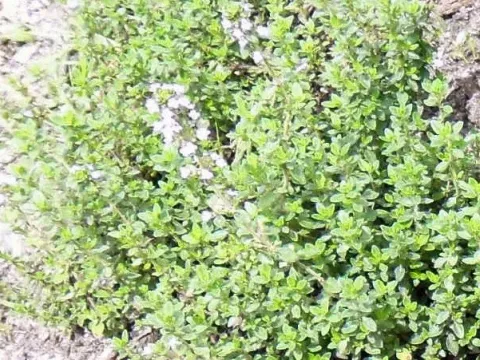
Doerfler's thyme
Thymus doerfleri
Doerfler's thyme is a hardy perennial herb belonging to the Lamiaceae family, originating from the Balkan Peninsula. It is highly valued for its creeping growth habit, making it an excellent choice for both rock gardens and culinary use.
What the section contains
Doerfler's thyme
Propagation is commonly achieved through stem cuttings or division of established clumps, ensuring that the offspring retain the parent plant's characteristics. While seed propagation is possible, it is a slower process requiring specific soil temperatures.
When sowing seeds, they should be distributed lightly over the surface of well-drained, sterile seed-starting mix. Because they are light-dependent for germination, they should not be buried deep beneath the soil.
Optimal germination occurs at temperatures between 18 and 22 degrees Celsius. Maintaining consistent but gentle moisture is essential during the first weeks until the seedlings develop a robust enough root system to handle drier conditions.
Transplanting seedlings to their final location should be done after the last spring frost. Once established, the plants will spread via rooting stems, eventually forming a dense, aromatic mat that helps suppress weeds.
This species thrives in full sun, which is critical for the development of its aromatic essential oils. Insufficient sunlight will cause the plant to become leggy and less vigorous, reducing its overall quality.
The ideal soil for Doerfler's thyme is sandy or gravelly, with excellent drainage. It is naturally adapted to poor, rocky soils and does not require rich fertilizers, as high nutrient levels can lead to excessive, weak growth.
Watering should be sparse once the plant is established. It is drought-tolerant and sensitive to over-watering, which can quickly lead to root rot. Allow the soil to dry out completely between irrigation cycles.
Regarding climate, the plant is remarkably hardy, capable of surviving harsh winters if the drainage is sufficient to prevent waterlogged roots. It performs best in Mediterranean-like conditions with cool winters and hot, dry summers.
Maintenance involves annual pruning after the flowering season. This encourages bushy growth, prevents the plant from becoming woody at the base, and ensures the plant remains compact and healthy for several years.
Diseases in this crop are primarily linked to environmental conditions. Root rot is the most common issue, appearing when the soil remains too wet for too long or when there is insufficient airflow around the base of the plant.
Powdery mildew may occur in areas with high humidity or stagnant air. This fungal disease creates a powdery white film on the leaves, which can reduce the plant's ability to photosynthesize if left untreated.
Pests such as aphids and spider mites may target stressed plants, especially in hot, dry weather. Regular monitoring is advisable to detect early infestations before they spread across the entire planting area.
Cultural control is the most effective strategy against pests and diseases. This includes spacing plants appropriately, keeping the area free of debris, and ensuring that no surrounding vegetation inhibits proper air circulation.
If chemical interventions are necessary, organic-approved treatments are preferred to preserve the herb's culinary safety and to protect beneficial pollinators that are strongly attracted to the flowers.
Harvesting is best conducted during the peak flowering stage, as this is when the plant's essential oil concentration is highest. Collectors should harvest the upper 10–15 centimeters of the flowering stems.
Hand-cutting is the most common method for small to medium-scale operations. It is important to avoid cutting too deeply into the old, woody stems to ensure the plant can successfully regenerate in the next season.
The harvested material must be dried quickly in a cool, dark, and well-ventilated area. Rapid drying prevents the degradation of volatile compounds and ensures the final product retains a strong, pleasant aroma.
Once fully dried, the herb is stripped from the stems and stored in airtight containers. Proper storage in a dark place protects the volatile oils from UV degradation and ensures a long shelf life of up to two years.
Doerfler's thyme is widely used in seasoning blends, herbal teas, and medicinal tinctures. Its unique chemical profile provides both culinary flavor and traditional antiseptic properties, making it a versatile agricultural product.