
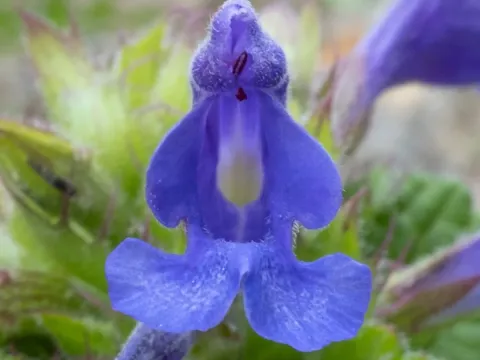
Dracocephalum rupestre
Dracocephalum rupestre
Dracocephalum rupestre, commonly known as the rock dragonhead, is a member of the Lamiaceae family, prized for its aromatic properties.
What the section contains
Dracocephalum rupestre
Seeds should be sown in autumn to allow for natural cold stratification, which significantly improves germination rates in spring.
When sowing, seeds need to be placed on the surface or lightly covered with a thin layer of substrate, as they require light to germinate effectively.
Row spacing of 30 to 50 cm is recommended to ensure adequate air circulation and to facilitate mechanical weeding between rows.
Consistent soil moisture is crucial during the initial three weeks of germination to establish a strong root system before the onset of hot weather.
Native to rocky mountainous regions of Tibet, this species thrives in climates with high solar radiation and significant temperature fluctuations.
The ideal soil is well-drained, stony, or sandy, as the plant is highly susceptible to root rot if grown in heavy or waterlogged soil.
Dracocephalum rupestre prefers a neutral to slightly alkaline pH level, thriving in soils with moderate calcium content.
It is an extremely winter-hardy plant, capable of enduring harsh freezing conditions without specific winter cover or protection measures.
Direct sunlight is essential for optimal growth; even partial shading can lead to elongated, weak stems and reduced essential oil production.
Yield metrics for this crop focus primarily on the production of dry biomass, which contains potent aromatic and medicinal compounds.
Mature plantations can produce between 1.5 and 2 tonnes of dried aerial parts per hectare when maintained with proper agricultural practices.
The accumulation of essential oils is highest in the floral parts and upper leaves, making the timing of the harvest critical for productivity.
Seed yields are also significant, allowing for sustainable replanting and potentially providing an additional income stream for the grower.
Continuous harvesting over several years is possible if the plant is pruned correctly to allow for new vegetative regrowth.
The most severe threats to Dracocephalum rupestre are fungal pathogens, specifically those associated with excessive soil moisture and poor drainage.
Insects like aphids may occasionally infest the plants, particularly during dry spells, requiring early detection and organic control interventions.
Powdery mildew can occur if plant spacing is too dense, preventing the necessary movement of air around the leaves and stems.
Integrated pest management strategies focusing on biological control are preferred to maintain the organic purity of the harvested medicinal material.
Root competition from aggressive weeds can stunt development, necessitating consistent maintenance during the first year of establishment.
Harvesting should occur at the peak of the flowering stage, as this is when the concentration of essential oils is highest within the tissue.
Mechanical harvesting tools should be set to prune the plant at approximately 10 cm above the ground to preserve the crown for subsequent regrowth.
Post-harvest processing involves immediate drying in a shaded, ventilated environment to prevent the degradation of volatile aromatic compounds.
Once dried, the biomass should be stored in a cool, dark, and dry area to ensure its phytochemical profile remains stable over time.
Strict quality control during harvest is necessary to ensure the absence of contamination by foreign botanical matter or dust.