
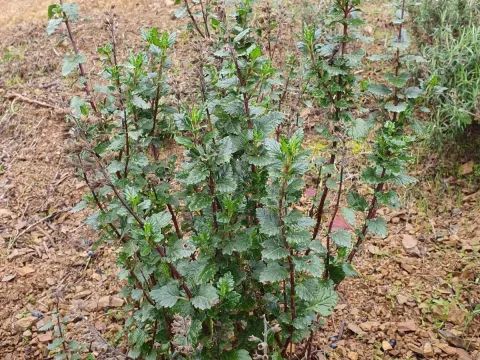
Yellow germander
Teucrium flavum
Yellow germander (Teucrium flavum) is a perennial subshrub belonging to the Lamiaceae family. Native to the Mediterranean basin, it is recognized for its woody stems and vibrant yellow flowers that appear during the warmer months.
What the section contains
Yellow germander
The plant thrives in full sun exposure, which is critical for biomass production and essential oil synthesis. It is highly adapted to arid environments and performs well in regions where traditional moisture-loving crops struggle to survive.
Regarding soil conditions, this crop demands excellent drainage to prevent root rot. It flourishes in rocky, calcareous, or sandy soils with a basic to neutral pH balance, making it an ideal candidate for reclaiming marginal land with poor fertility.
Climatic requirements involve hot, dry summers and mild winters. While it demonstrates resilience against drought, young plants require supplemental irrigation during the establishment phase to develop a robust root system capable of deep water extraction.
Cultural practices are minimal, focusing on annual pruning to maintain a dense, compact habit and encourage fresh growth. It is a low-input crop that rarely requires supplemental fertilization, as excess nutrients often reduce the concentration of secondary metabolites.
The primary threat to the stability of a yellow germander plantation is waterlogging, which inevitably leads to fungal pathogens like Phytophthora. Maintaining a clean and aerated soil surface is essential for long-term survival.
Pests are generally not a major concern due to the plant's aromatic properties and chemical defenses. However, periodic monitoring for aphids and spider mites during drought cycles is recommended to ensure the quality of the harvested aerial parts.