
Ziziphora hispanica
Ziziphora hispanica
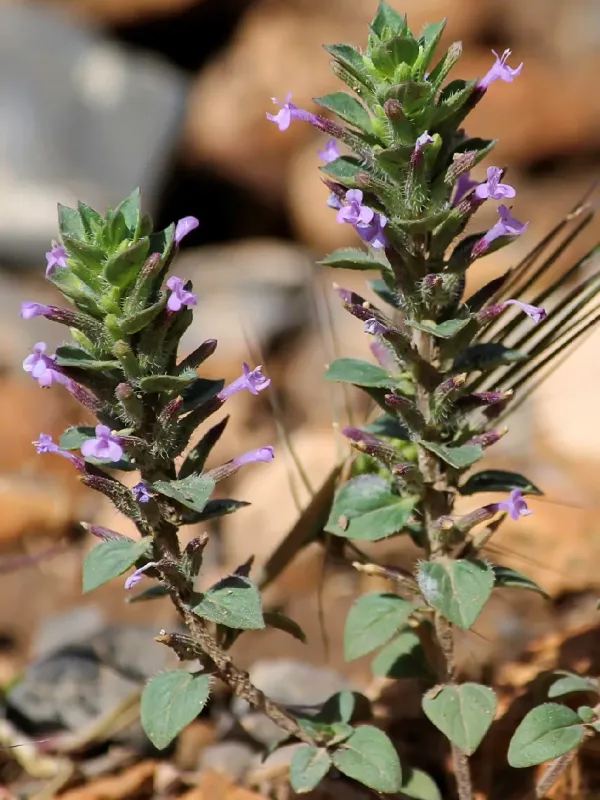
Description
Sowing dates
Sowing Ziziphora hispanica is typically carried out in the spring when soil temperatures reach 10–12 degrees Celsius. Ensuring consistent warmth is crucial for uniform germination.
Select sunny, well-lit sites for direct sowing in the ground. If starting from seedlings, sow in March to ensure plants are well-established before transplanting.
Seeds should be planted at a shallow depth of 0.5–1 centimeter. Keep the substrate moist but not waterlogged, as tiny seeds are sensitive to desiccation.
Planting density is key; spacing rows 30–40 centimeters apart allows for good ventilation. Overcrowding can lead to increased humidity around the stems, promoting diseases.
Seedlings emerge within two to three weeks. Early-stage weed control is vital as the plant develops slowly and is easily outcompeted by aggressive weeds.
Growing requirements
Belonging to the Lamiaceae family, Ziziphora hispanica thrives in dry, well-drained calcareous or rocky soils. It is well-adapted to Mediterranean-like conditions.
The crop is highly light-demanding. Exposure to full sunlight is essential for the synthesis of secondary metabolites, including the essential oils that define its market value.
Excellent drainage is a non-negotiable requirement. The root system is prone to rot in waterlogged conditions, making elevated or sloped sites ideal for cultivation.
While hardy, the plant benefits from mulching in regions with severe, snowless winters to protect the root zone from extreme temperature fluctuations.
Soil pH should ideally be neutral or slightly alkaline. Excessive nitrogen fertilization should be avoided as it stimulates leafy growth at the expense of oil concentration.
Yield
The economic yield of Ziziphora hispanica is focused on the aerial parts of the plant. High-quality harvests are achieved by timing the collection to the peak flowering phase.
Essential oil content is at its highest during mass flowering. This phase offers the best balance between biomass weight and active ingredient concentration for industrial use.
With proper care, a field of Ziziphora can produce sustainable yields for 3 to 4 years. Regular pruning can encourage branching and increase the volume of harvestable material.
Post-harvest processing requires immediate shaded drying to prevent the evaporation of volatile aromatic compounds. This is critical for maintaining commercial quality.
The crop serves various industries, including food flavoring and herbal medicine, providing stable demand for growers who focus on quality and aroma profiles.
Main diseases and pests
Root rot is the most common disease, usually triggered by poor drainage or overwatering. Maintaining a strict irrigation schedule is the best preventative measure.
Powdery mildew can affect the leaves during periods of high humidity. Improving airflow through proper spacing significantly reduces the risk of fungal outbreaks.
Pests like aphids and spider mites can attack young shoots. Integrated pest management, focusing on biological controls, is preferred over chemical interventions.
Weed interference is significant during the early stages of growth. Mechanical weeding or organic mulching is necessary to ensure the plants establish successfully.
Healthy plants are generally resistant to most common pests. Maintaining proper plant vigor through appropriate nutrient management is the primary defense strategy.
Harvesting
Harvesting should be conducted on dry, sunny days after morning dew has evaporated. Using sharp tools ensures clean cuts and prevents damage to the plant's base.
Only the upper 15–20 centimeters of the shoots should be harvested. This allows the plant enough foliage to regenerate and potentially provide a second smaller harvest.
Collected material must be spread thinly in a shaded, well-ventilated area for rapid drying. Sunlight exposure should be strictly avoided to prevent color and aroma degradation.
Final storage must be in airtight containers kept in a cool, dark place. This preserves the aromatic profile for several months to a year.
Quality checks during harvest involve ensuring the absence of dirt, withered leaves, or foreign debris, which are essential for medicinal or food-grade production.