
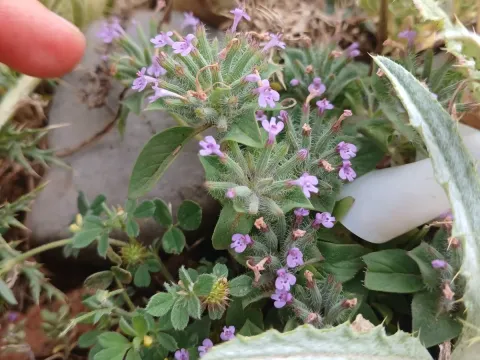
Ziziphora capitata
Ziziphora capitata
Ziziphora capitata belongs to the Lamiaceae family. This perennial herbaceous plant is typically sown in early spring as soon as the soil temperature reaches 8–10 degrees Celsius.
What the section contains
Ziziphora capitata
When sown before winter, the seeds undergo natural stratification, which ensures more uniform germination at the start of the spring season. The seeds have high germination rates but require shallow sowing at a depth of no more than 1–2 centimeters.
For optimal development, row planting with a spacing of 45–60 centimeters is recommended. This allows for subsequent high-quality mechanical soil cultivation, weed management, and ensures plants have sufficient room for growth.
In the first weeks after emergence, the crop grows relatively slowly, forming a basal rosette of leaves. During this period, it is critical to maintain field cleanliness, as weed pressure at early stages significantly reduces future productivity.
The sowing density should be calculated based on soil fertility and production goals, but a standard rate is about 2–4 kilograms of seeds per hectare, provided the seed purity is high.
Ziziphora capitata is a light-loving and drought-resistant plant, with a natural range covering rocky slopes and mountain steppes. It prefers well-drained, light soils with a neutral or slightly alkaline pH.
For successful cultivation, it is critical to avoid areas with high groundwater levels or water stagnation. Waterlogging is detrimental to the root system and often leads to the development of fungal infections.
The crop possesses high winter hardiness and can withstand significant temperature fluctuations typical of continental climates. Nevertheless, the most active vegetative growth is observed under moderately warm weather conditions.
Fertilizer application should be moderate. An excess of nitrogen compounds can lead to vigorous foliage growth at the expense of essential oil accumulation, which is the primary reason the plant is grown commercially.
The soil should be carefully prepared in the autumn, including plowing and adding organic matter if necessary to improve its structure and provide the plants with nutrients for the entire growing season.
The yield of Ziziphora capitata strongly depends on the growth phase at the time of harvest and the specific climatic conditions of the season. In commercial fields, the yield of dry above-ground biomass ranges from 1.5 to 3 tons per hectare.
The primary target product is essential oil, the content of which can vary from 0.5% to 1.5%. Maximum concentration of aromatic compounds is reached during full bloom, which is the main indicator for agronomists when planning the harvest.
By following all agricultural requirements, such as regular row cultivation and pest management, one can achieve stable yield indicators for 3–4 years of plantation life.
After cutting, the plant is capable of producing regrowth, but the second harvest in the same year usually lags behind the first in terms of biomass quantity and the content of active compounds, so usually only one main cut is planned.
The economic efficiency of the crop is ensured by the high added value of essential oils and the demand for dry plant material in the food, pharmaceutical, and perfumery industries.
Ziziphora capitata has a strong natural immunity, but it suffers from root rots when agricultural practices are neglected. This mainly occurs on heavy, poorly aerated soils prone to waterlogging.
In high humidity conditions, powdery mildew may develop. Preventing this disease involves maintaining optimal plant density and timely weed removal, which helps prevent stagnant air in the ground layer.
Among pests, various aphid species pose the greatest danger, as they can colonize young shoots. They not only suck sap but also transmit viral diseases that reduce the market quality and yield volume.
If an area is infested, biological control methods or systemic insecticides with short waiting periods should be preferred to guarantee that the final raw material is free from pesticide residues.
Regular monitoring of field conditions allows for early detection of issues. A vital element of protection is phytosanitary control, which prevents the entry of infection from neighboring plots or contaminated seed material.
The harvest of Ziziphora capitata is carried out during the period of mass flowering. At this time, the essential oil content in the aerial parts is at its peak, ensuring the best organoleptic qualities of the raw material.
Harvesting is recommended in dry, sunny weather, preferably after the dew has evaporated. High humidity during cutting can lead to self-heating of the harvested mass and loss of essential oil quality before the drying process begins.
Cutting is performed at a height of 10–15 centimeters from the soil surface. This ensures the preservation of growth points and promotes better wintering of the plants, which is critical for a perennial crop.
The harvested mass should be immediately sent for processing or drying. Drying is conducted in the shade with good ventilation to avoid direct sunlight, which promotes the evaporation of volatile components.
- Optimal drying temperature: 35–40 degrees Celsius.
- Dry raw material storage should be in airtight containers in a cool, dark place.
- Avoid direct contact of raw material with humid air to preserve aromatic properties.