
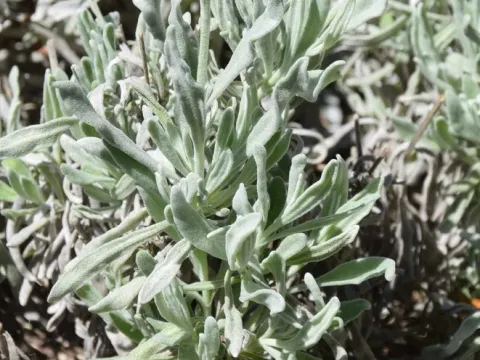
Woolly lavender
Lavandula lanata
The propagation of Lavandula lanata typically begins with seeds, which require a cold stratification process lasting several weeks to break dormancy and ensure uniform germination.
What the section contains
Woolly lavender
Indoor sowing is recommended in late winter or early spring to allow the seedlings to establish a strong root system before they are transplanted into the field.
Direct outdoor sowing can only be successful in mild climates with well-drained, porous soil, usually after the last frost has completely passed in late spring.
Proper spacing is crucial for this species; a distance of at least 45 to 60 centimeters between plants ensures the necessary airflow to prevent fungal issues.
Care must be taken to cover seeds only lightly with soil, as they require a certain amount of light and stable moisture levels to successfully sprout.
Belonging to the Lamiaceae family, the woolly lavender is distinctively characterized by its dense silver-white foliage that acts as a natural sunscreen and moisture barrier.
This species demands full sun exposure throughout the day, thriving best in rocky or sandy, well-draining soils that mimic its native Mediterranean-like habitats.
It is remarkably drought-tolerant once established but needs consistent moisture during the early vegetative stages to prevent the roots from drying out entirely.
The plant performs best in a temperature range of 20–28 degrees Celsius, though it shows decent resistance to fluctuating weather patterns and cool nights.
Regular maintenance involves light pruning after the flowering season, which helps maintain the plant's shape and prevents the woody base from becoming too sparse.
Root rot remains the most significant threat to Lavandula lanata, particularly in regions with high humidity or soils that do not provide adequate drainage.
Grey mold or Botrytis can affect the plants if the foliage remains wet for extended periods, necessitating the immediate removal of any compromised plant matter.
Pests such as aphids and spittlebugs can occasionally infest the stems, requiring manual removal or the application of gentle insecticidal soaps when necessary.
Inadequate air circulation is the primary cause of pathogen buildup, making correct plant placement and spacing the most effective preventive measures available.
Integrated pest management strategies focusing on organic controls are preferred to protect the quality of the harvested floral material and essential oils.
The harvest cycle for woolly lavender reaches its peak when the majority of the flower spikes have opened, as this timing provides the highest oil content.
Harvesting should occur in the early morning after the dew has evaporated but before the heat of the day, ensuring the highest concentration of volatile compounds.
The harvested spikes are typically bundled and hung upside down in a cool, dark, and well-ventilated area to preserve their characteristic color and fragrance.
Applications for the crop are broad, including uses in high-end perfumery, aromatherapy, cosmetic production, and dried decorative floral arrangements.
Post-harvest care includes removing the old flower stalks to encourage a second, smaller flush of growth and to prepare the plant for winter dormancy.