
Woolly-spike Elsholtzia
Elsholtzia eriostachya
Description
Sowing dates
Woolly-spike Elsholtzia (Elsholtzia eriostachya) is an annual herbaceous plant belonging to the Lamiaceae family. In temperate climates, seeds should be sown in early spring once the soil temperature consistently reaches 8–10 degrees Celsius.
Successful germination requires high soil moisture levels; therefore, seeds must be sown into damp soil at a shallow depth of no more than 0.5–1 centimeter. Since the seeds are minute, they are often mixed with sand to ensure even distribution during mechanical or manual sowing.
In regions with shorter growing seasons, starting plants in a greenhouse or nursery is recommended. Sowing should occur 4–6 weeks before the final transplanting date, providing the seedlings with ample natural light to prevent etiolation.
Maintaining proper plant spacing is essential for biomass development. Recommended row spacing is between 45 and 60 centimeters, which allows for sufficient airflow and simplifies weed management practices.
Seedlings typically emerge 10–14 days after sowing under optimal conditions. During the first month, growth is relatively slow, making weed control a priority to prevent competition for nutrients and space during the establishment phase.
Growing requirements
This crop thrives in sunny, open areas with excellent soil drainage. Woolly-spike Elsholtzia is highly sensitive to light levels; insufficient exposure significantly reduces the concentration of volatile essential oils in the aerial parts, diminishing crop value.
The soil should be light, fertile, and exhibit a neutral or slightly alkaline pH. Heavy clay soils prone to waterlogging are unsuitable, as they inhibit root respiration and increase the risk of decay during the early growth stages.
While the plant shows moderate drought tolerance, regular irrigation is required for high biomass yields, particularly during peak growth phases. The demand for water increases significantly during the transition to the flowering stage.
The crop responds well to organic fertilizers and balanced mineral nutrition. Strategic application of nitrogen during vegetative growth and phosphorus-potassium fertilizers before the budding phase helps improve the yield and chemical quality of the essential oil.
Protection from strong winds is a critical requirement, as excessive movement can cause lodging in mature plants. Implementing windbreaks or strategic field placement helps preserve the integrity of the spikes until harvest.
Yield
The primary agricultural use of Woolly-spike Elsholtzia is the production of essential oil, which finds applications in perfumery, food flavoring, and nutraceuticals. Yield metrics are heavily dependent on harvest timing and specific environmental conditions.
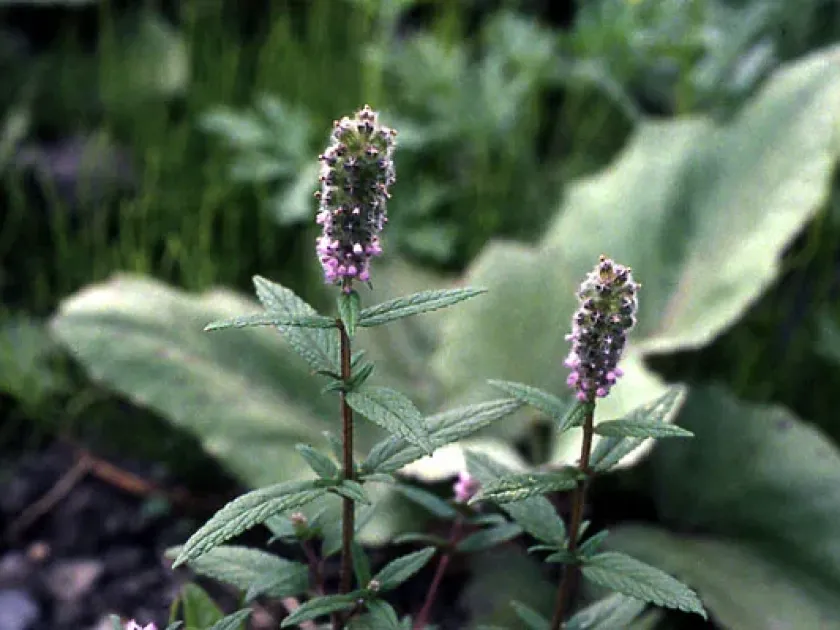
Maximum essential oil content is observed during full bloom when the plants develop dense, woolly-textured spikes. Harvesting at the precise peak of flowering ensures the highest quality raw material with a balanced chemical profile.
The biological productivity of this species is significant under proper management. Depending on regional climate and soil quality, yields of dried above-ground biomass typically range from 1.5 to 3 metric tons per hectare.
Processing involves steam distillation to extract the essential oil. The resulting product is characterized by a unique, pleasant aroma, making it a sought-after ingredient in high-quality herbal teas and cosmetic formulations.
By-products from the extraction process can often be repurposed as soil amendments or fiber additives, making this crop a viable candidate for circular agricultural models with minimal waste.
Main diseases and pests
Root rot represents the most significant threat to Elsholtzia plantations, typically occurring in poorly drained soils or under excessive irrigation. Infections spread rapidly in humid, stagnant environments, leading to total crop failure if left unmanaged.
Pests such as aphids and spider mites can cause substantial damage by feeding on young shoots and floral spikes. Infestations lead to stunted growth, leaf deformation, and a sharp decline in volatile oil production due to plant stress.
Powdery mildew is a common disease observed during periods of fluctuating temperatures and high relative humidity. Proactive prevention involves strict crop rotation schedules and thinning rows to improve ventilation around the plant canopy.
To control pests effectively, biological control agents or environmentally friendly insecticidal soaps are preferred over synthetic pesticides, as the latter can interfere with the delicate essential oil composition and marketability of the product.
- Regular weeding of inter-row spaces.
- Monitoring soil moisture levels to avoid saturation.
- Maintaining spatial isolation from other Lamiaceae species to prevent cross-contamination.
- Systematic pest scouting during the budding stage.
Harvesting
Harvesting is performed during the mass flowering phase, precisely when essential oil concentrations hit their maximum. The best practice is to harvest after morning dew has evaporated but before the heat of the day reaches its peak to minimize oil loss.
High-cut mechanical mowers are used to avoid including the woody, lower stem parts that lack essential oil value. The harvested biomass must be transported to the processing facility as quickly as possible to prevent degradation.
If drying is required, it must take place in the shade with active natural ventilation. This preserves the color of the spikes and prevents the premature evaporation of light aromatic fractions caused by direct sunlight exposure.
Once dried, the raw material should be stored in cool, dry, and dark conditions, isolated from strong odors that might be absorbed by the essential oil. Maintaining low humidity is crucial to prevent microbial growth.
Rigorous quality control during the harvest and drying process is vital. Even small amounts of moldy or damaged tissue can compromise the quality of an entire batch of stored raw material.