
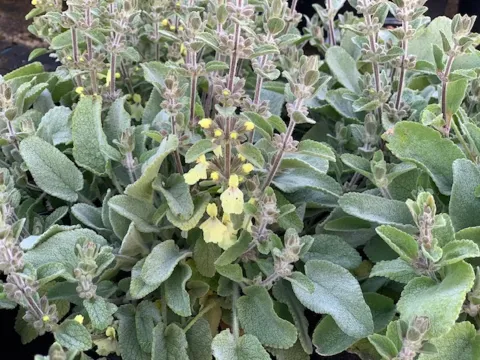
Yellow-flowered hedge nettle
Stachys chrysantha
Stachys chrysantha, known commonly as the yellow-flowered hedge nettle, belongs to the Lamiaceae family. This perennial species is distinctive for its rare yellow blossoms, setting it apart from the more common purple-flowered varieties often found in cultivation.
What the section contains
Yellow-flowered hedge nettle
Originating from the rocky terrains of Greece, this plant is an expert at thriving in harsh, dry environments. Its evolutionary history has endowed it with excellent drought tolerance, making it an ideal candidate for rock gardens and xeriscaping projects in Mediterranean-like climates.
The plant requires well-draining, gritty soils to flourish successfully. It performs best in poor, alkaline substrates that mimic its natural mountainous habitat. Ensuring superior drainage is critical, as waterlogged conditions in winter are the primary cause of plant loss in non-native environments.
When it comes to light requirements, Stachys chrysantha demands full sun exposure. High levels of solar radiation help maintain the plant's structural integrity and intense color, preventing the weak, etiolated growth that typically occurs in shaded or partially shaded positions.
Cultivation management involves minimal maintenance. Once established, the plant requires very little supplemental irrigation. Fertilization should be kept to an absolute minimum or avoided entirely, as high nitrogen levels encourage excessive leaf growth while reducing the plant's signature flowering intensity.
The most significant threat to Stachys chrysantha is root rot caused by stagnant moisture. To mitigate this risk, gardeners should plant it on slopes or raised beds and add a layer of inorganic mulch, such as gravel or grit, to keep the foliage away from direct soil moisture.
Pests such as aphids and spider mites can occasionally affect the plant during hot, dry spells. Keeping the plant healthy through correct site selection and proper aeration is usually sufficient to prevent severe infestations, though manual removal or targeted soap sprays can be used if necessary.