
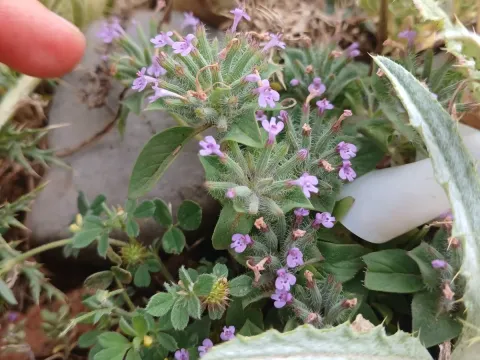
Ziziphora
Ziziphora L.
Ziziphora is a genus of perennial herbaceous plants belonging to the Lamiaceae family. Sowing is typically carried out in the spring when soil temperatures reach 8-10 degrees Celsius.
What the section contains

Ziziphora
Seeds should be sown in rows with a spacing of 45-60 centimeters. The seeding depth must be shallow, approximately 0.5-1 centimeter, as the small seeds require optimal contact with the soil for germination.
Winter sowing is also an option, allowing seeds to undergo natural stratification, which enhances emergence rates when spring arrives. Proper seedbed preparation is essential to prevent crust formation.
Propagation can also be achieved vegetatively by dividing the rootstocks in early spring, which ensures a faster establishment of the crop on the selected field.
Maintaining an appropriate plant density is crucial, especially in the first year, to minimize weed competition during the slow initial growth phase of the seedlings.
Ziziphora is a light-loving and drought-tolerant crop that originates from mountainous regions. It performs best in open, sunny locations with good air circulation.
The crop prefers light, well-drained soils, such as sandy loams, and thrives in neutral to slightly alkaline pH levels. It is highly sensitive to waterlogged conditions.
Excessive moisture in the root zone is the primary cause of crop failure, as it promotes fungal infections and decreases the volatile oil content in the plants.
Ziziphora demonstrates high cold hardiness, allowing it to adapt to various climates, particularly those with significant temperature fluctuations typical of high-altitude areas.
Regular maintenance, including light phosphorus and potassium fertilization, helps improve plant vigor and increases the concentration of aromatic compounds in the leaves.
The yield of Ziziphora depends heavily on site conditions, crop age, and management practices. On average, producers can expect between 500 and 1,200 kilograms of dry raw material per hectare.
High yields are typically observed on well-drained, rocky or structured soils under intense sunlight, which promotes the accumulation of high-quality essential oils.
The plantation can remain productive for 3 to 5 years before requiring renewal. Systematic crop rotation is recommended to maintain soil fertility and plant health over time.
Mechanical harvesting is common, using specialized equipment adjusted for a clean cut, avoiding the harvest of woody lower stems that lack aromatic value.
Ongoing monitoring of plant health and nutrient status ensures consistent productivity throughout the lifespan of the plantation.
The main threats to Ziziphora cultivation include fungal diseases triggered by poor drainage, high humidity, or excessively dense plant spacing.
Root rot is the most common pathogen, which can be mitigated by choosing well-drained soil and ensuring proper plant spacing to facilitate airflow around the foliage.
Pests like aphids may occasionally affect the crop during warm, dry periods. Integrated pest management (IPM) strategies, including natural predators, are preferred over synthetic pesticides.
Maintaining proper field sanitation, including the removal of debris and weed control, significantly reduces the pressure from pests and pathogens.
Avoiding the use of high-nitrogen fertilizers is essential, as they can make the plants more susceptible to succulent-feeding pests and fungal leaf spots.
Harvesting is performed during the peak flowering stage, which is the time when the plant exhibits the highest concentration of essential oils and active phytochemicals.
Once harvested, the plant material must be transported and processed quickly to prevent self-heating and fermentation, which can rapidly diminish the quality of the essential oil.
Drying should be conducted in shaded, well-ventilated areas or in controlled-temperature industrial dryers at temperatures not exceeding 40 degrees Celsius.
Dried raw material requires careful handling, including cleaning and sorting, before it is packaged into airtight containers to preserve its volatile aromatic profile.
Laboratory quality checks, including oil content analysis, are standard for determining the commercial value of the harvested batch.