
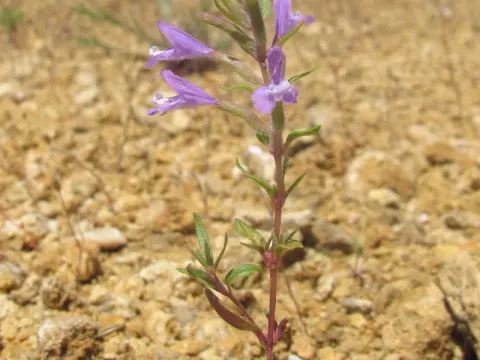
Ziziphora taurica
Ziziphora taurica
Sowing Ziziphora taurica is best performed in early spring once soil temperatures reach 8–10 degrees Celsius. Due to the small size of the seeds, they require careful handling and minimal burial depth, typically no more than 1 centimeter to ensure consistent germination.
What the section contains
Ziziphora taurica
For better success rates, especially in colder climates, many growers opt for late autumn sowing. This allows the seeds to undergo natural stratification over the winter, resulting in a more robust and uniform spring emergence.
If using a greenhouse or indoor seed trays for starts, sowing should begin in March. Transplants should be moved to the field after the danger of severe frost has passed, ensuring they have sufficient time to establish before the onset of summer heat.
Row spacing should be maintained at 45–60 centimeters to allow for mechanical weeding and proper airflow between plants. Proper spacing is crucial for reducing the risk of fungal diseases during the vegetative growth stage.
Thinning is an essential step if seeds are sown directly into the soil. Aim for a final spacing of 15–20 centimeters between individual plants to prevent overcrowding and to promote healthy development of the flowering stems.
As a member of the Lamiaceae family, Ziziphora taurica thrives in sunny, open locations. It is highly adapted to bright light conditions, which are essential for maximizing the concentration of essential oils and aromatic compounds in the plant tissues.
The ideal soil for this species is well-drained, sandy, or stony soil with a neutral to slightly alkaline pH. High-clay soils that retain moisture should be avoided, as the plant is highly susceptible to root rot in waterlogged conditions.
Ziziphora taurica is remarkably drought-tolerant once established. However, providing occasional irrigation during the peak budding and flowering phases can significantly boost the overall biomass yield and quality of the crop.
The plant is resilient to temperature fluctuations, reflecting its native habitat in rugged, mountain-influenced landscapes. It can withstand cooler temperatures, but steady warmth is preferred for the active synthesis of essential oils.
Fertilization needs are relatively low. Excessive nitrogen application should be avoided, as it promotes leafy growth at the expense of floral development and essential oil potency. Phosphorus and potassium applications are preferred for overall plant vigor.
The most common threats to Ziziphora crops are fungal diseases such as powdery mildew and root rot. These are primarily caused by excessive soil humidity or poor field drainage, making site selection a critical preventative measure.
Aphids can pose a challenge by feeding on the tender young shoots. If an infestation occurs, it is recommended to use environmentally friendly soaps or botanical insecticides to protect the harvest's quality for medicinal use.
Leafhoppers may also affect the crop, causing chlorosis or curling of the leaves. Maintaining a healthy ecosystem around the field by encouraging natural predators helps keep these populations below the economic threshold.
Root-knot nematodes can potentially damage the root systems if the soil is contaminated. Practicing crop rotation and avoiding planting in fields previously occupied by host-susceptible species is highly recommended.
Consistent monitoring and early detection are key to managing pests in Ziziphora. Implementing a balanced approach that combines preventative cultural practices with targeted organic interventions ensures a productive crop cycle.
Harvesting Ziziphora taurica is timed to coincide with the period of peak flowering. This is when the plant's essential oil content and therapeutic properties are at their maximum, ensuring the highest market value for the raw material.
The plant material should be harvested on a dry, sunny morning after the dew has evaporated. Using mechanical mowers to cut the plant about 5–10 centimeters above the soil surface is the standard professional practice.
Immediate processing or drying is essential to prevent the degradation of volatile compounds. The material should be spread in thin layers in a shaded, well-ventilated area to dry slowly without direct sunlight exposure.
Once dried, the stems should become brittle, and the leaves should be easily separable. This final product must be kept in airtight containers in a cool, dark room to maintain the integrity of the aromatic compounds.
Proper storage is crucial, as the valuable oils are highly volatile. Keeping the raw material away from moisture, heat, and direct light will ensure the product remains viable for several months after harvest.