
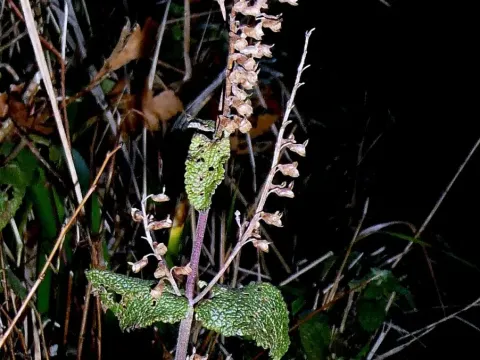
Wood sage
Teucrium scorodonia
Wood sage (Teucrium scorodonia) is a perennial herb belonging to the Lamiaceae family. Seeds typically require a period of cold stratification before germination, making late autumn or early spring the ideal time for sowing.
What the section contains
Wood sage
The seeds should be sown shallowly in well-prepared soil, covered only by a thin layer of fine substrate to ensure adequate light exposure. Keep the soil consistently moist until the seedlings emerge, which usually takes several weeks.
Vegetative propagation via division is highly effective for established plants. Dividing the root clumps in early spring allows for vigorous growth and rapid establishment in the new planting location.
When starting from seeds indoors, provide supplementary lighting if the natural light is low. Transplanting into the field should be done once the threat of frost has passed, maintaining a spacing of 30 to 40 cm between plants.
Choosing a site that mimics the plant's natural habitat—typically woodland edges or open rocky areas—will ensure better adaptability and growth rates during the first year.
Wood sage thrives in sandy or light, well-draining soils with a slightly acidic to neutral pH. It is particularly sensitive to waterlogging, so soil drainage must be a priority in the planting plan.
While the plant is remarkably drought-tolerant once established, regular irrigation during the first season is essential for healthy root development. Avoid overhead watering to keep foliage dry and reduce disease risk.
Application of compost or slow-release organic fertilizers in early spring is generally sufficient to sustain the plant throughout the growing season. High-nitrogen fertilizers should be avoided as they can reduce the aromatic quality of the leaves.
In regions with harsh winters, mulching with organic material like bark or straw protects the crowns from freezing temperatures. This practice is especially beneficial for young plants still building their root reserves.
Regular maintenance involves light weeding and soil aeration around the root zone, which promotes strong stems and prevents the competition that usually suppresses the growth of younger specimens.
Wood sage is primarily harvested for its fragrant aerial parts, which contain essential oils and flavonoids used in herbal medicine. Crop yields depend heavily on the maturity of the plants and the maintenance of soil fertility.
The herb is widely valued for its antiseptic and digestive properties in traditional medicine. Extracts are also used in various natural cosmetic formulations due to their unique scent profile.
As a nectar-rich plant, wood sage serves as an excellent pollinator attractant in agricultural landscapes. Its presence supports local bee populations and increases overall biodiversity in the surrounding ecosystem.
Commercial potential also includes landscape use. Due to its dense growth habit, it is often employed for ground cover in xeriscaping or as an ornamental plant in rock gardens where low-maintenance options are required.
Peak yields are typically attained from the second year onwards, once the plant has reached its full vegetative capacity and has developed a deep, robust root system.
Wood sage is generally robust against common pests, but high humidity may lead to fungal issues like powdery mildew. Proper air circulation and wide spacing are the primary strategies for prevention.
Aphids and spider mites may occasionally infest the plants during prolonged dry spells. If detected, treatment with insecticidal soaps or neem oil is usually effective and minimally intrusive for the plant's health.
Snails and slugs can be problematic for young tender shoots in the spring. Using protective rings or organic deterrents can prevent significant foliage damage during the vulnerable early growth stage.
Root rot is the most serious threat, almost exclusively caused by improper site selection or poor soil drainage. Ensuring that the site remains well-aerated is critical for long-term survival.
Implementing a crop rotation schedule and avoiding planting wood sage in areas where other Lamiaceae members have recently been grown helps to limit the buildup of soil-borne pathogens.
Harvesting should be conducted at the beginning of the full flowering stage. Cut the stems about 10–15 cm above the ground to ensure that the plant retains enough energy for regrowth and seasonal recovery.
Drying the harvested material is a delicate process requiring a dark, cool, and well-ventilated space. Air-drying in paper bags or on hanging racks maintains the integrity of the essential oils.
Once completely brittle, the leaves and flowers are stripped from the woody stems. This clean material is then stored in airtight glass containers away from direct light to prevent oxidation.
A second, smaller harvest might be possible in late summer if the climate is mild, but ensure the plant is left with enough foliage to survive the coming winter months successfully.
Proper storage is essential; moisture-wicking materials should be used if necessary, as even a small amount of residual moisture can cause rapid spoilage and a complete loss of the product's medicinal efficacy.