
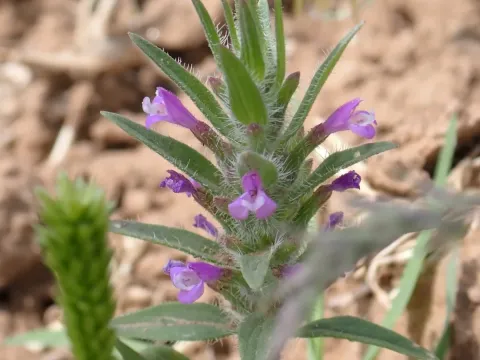
Ziziphora tenuior
Ziziphora tenuior
Ziziphora tenuior is an annual herbaceous plant belonging to the Lamiaceae family, highly valued for its aromatic essential oils. Sowing is typically carried out in early spring once the soil temperatures consistently exceed 10°C, as the seeds require warmth to germinate effectively.
What the section contains
Ziziphora tenuior
Seeds should be sown in rows with a spacing of 45-60 cm to allow for proper airflow and maintenance. Given the small size of the seeds, they are placed shallowly, at a depth of 1-2 cm, followed by gentle soil compaction to ensure optimal soil-to-seed contact.
This species is native to arid and mountainous regions, making it exceptionally drought-tolerant. It thrives in open, sunny locations where it receives full exposure to direct sunlight throughout the day, which is essential for the biosynthesis of secondary metabolites.
The plant prefers light, well-drained, sandy or stony soils. Drainage is critical; the root system is highly sensitive to waterlogging, which often leads to rapid physiological decline and potential fungal infections if the soil is too heavy or consistently damp.
Regarding soil fertility, Ziziphora tenuior does not require high nitrogen levels. Excessive fertilization may lead to rapid biomass growth at the expense of oil quality and concentration. Balanced fertilization focusing on potassium and phosphorus is generally recommended.
Root rot is the most significant threat to the crop, usually caused by improper soil management or excessive moisture. Preventive measures include ensuring proper soil aeration and rotating crops to avoid pathogen accumulation in the rhizosphere.
Pest issues often include aphids and leaf-eating insects, particularly during the early vegetative stages. Implementing integrated pest management (IPM) practices, such as biological control and habitat maintenance for beneficial predators, is preferred to protect the quality of the essential oil.
The optimal harvest window is during the peak flowering stage when the concentration of essential oil components is at its maximum. Harvesting too early or too late can lead to a significant decrease in the chemical yield of the raw material.
Plants are cut roughly 5-7 cm above ground level to facilitate regrowth or prevent contamination. Once harvested, the material must be dried quickly in shaded, well-ventilated areas or specialized drying chambers at temperatures not exceeding 40°C to preserve volatile oils.
Processed Ziziphora tenuior is widely used in the pharmaceutical industry for its antiseptic and calming properties. Furthermore, it is a popular ingredient in the beverage industry, valued for its unique aroma and flavor profile in herbal teas and traditional recipes.