
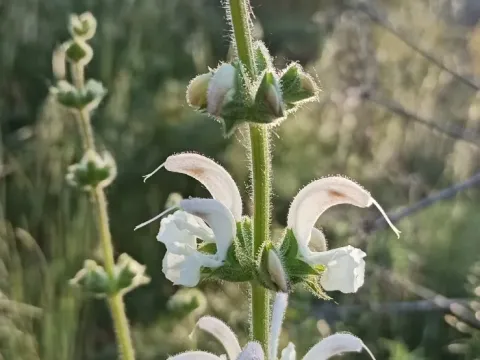
Silver sage
Salvia argentea
Silver sage is typically propagated from seeds sown in early spring after the risk of severe frost has passed. Starting seeds indoors in trays provides a controlled environment, ensuring higher germination rates before transplanting outdoors.
What the section contains
Silver sage
The seeds should be sown shallowly, as they require light to germinate effectively. A well-draining seed-starting mix is essential, and moisture must be maintained consistently without over-saturating the medium during the first weeks.
Once seedlings develop their first true leaves, they should be hardened off to adapt to outdoor conditions. Planting in the field requires a spacing of at least 18 inches to prevent overcrowding and allow proper airflow.
Direct seeding in the field is possible in warmer regions, though it is less common for commercial propagation. Protecting the sowing area with light mulch can help regulate moisture levels until the seedlings are established.
Stratification of seeds for several weeks in a cold environment significantly improves germination uniformity. This biological preparation helps the sage break dormancy and promotes vigorous growth throughout the first season.
Salvia argentea belongs to the Lamiaceae family and is native to the Mediterranean region. It is highly valued for its large, silvery-white woolly leaves, which serve as a primary ornamental feature in agricultural and landscape projects.
Climate requirements for silver sage revolve around full sun exposure and dry conditions. It thrives in regions with warm, dry summers where its foliage can maintain its characteristic silver sheen without suffering from fungal issues.
Soil drainage is the most critical agronomic factor for this species. It prefers sandy or rocky, well-aerated soils with a neutral to slightly alkaline pH. Heavy clays should be amended with grit or perlite to avoid root rot.
Watering management is focused on providing enough moisture for establishment while allowing the soil to dry out between sessions. Over-irrigation is the most common cause of crop failure in this species due to its sensitivity to waterlogged roots.
Fertilization should be kept to a minimum, as excess nitrogen promotes lush growth that is prone to lodging and decay. A balanced, low-concentration fertilizer may be applied once during the growing season if soil nutrient levels are low.
The primary threat to Salvia argentea is root rot, triggered by high soil moisture and poor drainage. Ensuring that the crown of the plant stays dry is essential for preventing the collapse of the foliage rosette.
Powdery mildew can affect the leaves during periods of high humidity or poor air circulation. Removing affected leaves and improving the spacing between plants is the most effective biological control method.
Aphids can occasionally infest new growth, especially in late spring. Monitoring the undersides of leaves is necessary to detect early stages of infestation before they affect the overall vigor of the plant.
Slugs and snails may be problematic in damp or shaded environments, feeding on the soft, woolly leaves. Using physical barriers or organic bait can help protect the plants during their early stages of growth.
Sanitation is key to managing disease pressure in silver sage fields. Clearing away old, decayed foliage in the autumn reduces the availability of overwintering sites for pathogens and insect pests.