
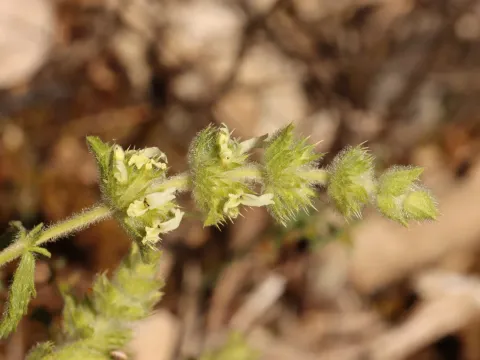
Sideritis endressii
Sideritis endressii
The sowing of Sideritis endressii seeds is typically conducted in the spring when soil temperatures reach 12–15 degrees Celsius. Ensuring a stable temperature regime is crucial for successful seed stratification, which significantly improves the germination rate of this crop.
What the section contains
Sideritis endressii
In commercial cultivation, seeds are sown in rows with spacing of approximately 40–50 centimeters between them. This provides sufficient space for root system development and facilitates mechanized field maintenance and weeding operations.
The sowing depth should not exceed 1–2 centimeters, as the small seeds require close contact with moist soil, but excessive burying can lead to failure in germination. It is recommended to slightly firm the soil surface after sowing for optimal contact.
Seedlings emerge within 14–21 days post-sowing, depending on soil moisture levels and weather conditions. During the first year of life, the plant develops slowly, focusing on growing a basal rosette of leaves and establishing a deep taproot.
To accelerate production, the transplant method is often employed by planting 45-day-old seedlings into the field in May. This approach allows for a viable harvest within the first year of growth, optimizing the return on investment.
Sideritis endressii belongs to the Lamiaceae family and is a heliophilic plant, thriving best in open, sun-drenched locations. Excessive shading leads to elongated stems and a reduction in the concentration of essential oils, decreasing crop quality.
The crop is highly demanding regarding soil structure: it prefers loose, calcareous, well-drained substrates. Water stagnation in the root zone is detrimental, making raised beds or sites with loamy or stony soil the most suitable choice.
Regarding climate, the plant exhibits high drought resistance, making it suitable for regions with hot, dry summers. It adapts well to temperature fluctuations and does not require frequent irrigation once the root system is well established.
The optimal pH range for successful cultivation is between 6.5 and 8.0. The plant responds well to moderate applications of phosphorus and potassium fertilizers, which enhance immune system function and increase the content of biologically active compounds.
During cold winters, the crop may require light protection, especially if snow cover is inconsistent. As a typical Mediterranean species adapted to mountain environments, it is critical to prevent waterlogging during the winter dormant period.
The yield of Sideritis endressii depends on plant density, the level of agricultural technology, and the age of the plantation. On average, the harvest is gathered during the peak flowering phase when the concentration of beneficial compounds is at its maximum.
One hectare of plantation can produce between 1 and 2 tons of dry aerial biomass when proper cultivation standards are maintained. Harvesting is carried out in sunny weather by cutting stems 5–10 centimeters above the ground.
As a perennial plant, the highest productivity is observed in the second and third years after planting. As the bush matures and ages, yields begin to decline, requiring either the renewal of the plantation or rejuvenating pruning.
The economic use of the crop includes the production of herbal teas, phytopreparations, and cosmetic products. Due to its pleasant aroma and medicinal properties, demand for this raw material in the dietary supplement market is steadily growing.
To preserve the quality of the raw material post-harvest, it must be dried quickly in shaded, well-ventilated areas or specialized drying facilities at temperatures not exceeding 40 degrees to prevent the loss of aromatic compounds.
The primary threats to Sideritis endressii are fungal diseases of the root system caused by soil waterlogging. Root rot can rapidly destroy a plantation if adequate drainage is not provided or maintained.
In densely planted areas with high air humidity, the development of powdery mildew is possible. As a preventive measure, strict adherence to recommended planting schemes is advised to ensure proper airflow between individual bushes.
Among pests, spider mites and leaf rollers are the most frequent threats. They feed on the plant's sap, leading to leaf deformation and reduced overall plant vitality, which is critical when the crop is intended for medicinal use.
Disease and pest management should rely on integrated protection methods, minimizing the use of chemical pesticides. It is recommended to use biological controls and maintain natural soil fertility to boost the plant's innate resistance.
Regular weeding and the removal of competing flora around the Sideritis bushes are mandatory procedures. Weeds not only compete for vital nutrients but also serve as reservoirs for pathogenic microorganisms and harmful insect pests.