
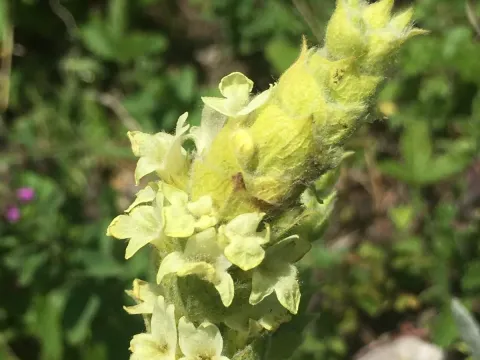
Sideritis catillaris
Sideritis catillaris
Sowing of Sideritis catillaris is best performed in spring when soil temperatures reach 10–12 degrees Celsius. Mid-April is the optimal time, allowing the seeds to undergo natural stratification processes.
What the section contains
Sideritis catillaris
The seeds have relatively low germination energy; therefore, scarification or soaking in growth stimulants is recommended before planting. The depth of sowing should not exceed 1–1.5 centimeters.
In commercial cultivation, row spacing of approximately 45–60 centimeters is preferred. This provides sufficient space for root system development and facilitates mechanized field maintenance.
Thinning is an essential stage after seedling emergence, as crowded plants reduce overall yield and increase the risk of fungal infections due to poor air circulation.
In regions with mild winters, late-autumn sowing may be feasible, resulting in earlier and more hardened seedlings at the start of the next vegetation cycle.
Sideritis catillaris is a member of the Lamiaceae family, natively found on rocky slopes, which dictates its high demand for soil drainage. The crop reacts extremely negatively to waterlogging and heavy clay substrates.
The plant is a light-loving and drought-tolerant xerophyte. For the development of high-quality raw material with concentrated essential oils, maximum sun exposure throughout the vegetation period is required.
Sideritis is undemanding regarding soil fertility but performs best on light, calcareous soils with a neutral or slightly alkaline pH. Excess nitrogen fertilization can reduce the medicinal properties of the herb.
The optimal temperature for active growth is 20–25 degrees. The crop possesses sufficient frost resistance, but in severe winters without snow cover, light mulching is recommended for protection.
Agrotechnical practices include systematic inter-row cultivation to improve root aeration and control weeds, which compete aggressively for moisture during the early growth stages.
The yield of dry biomass depends on the age of the plantation and the agronomic environment. Maximum productivity is typically observed in the second and third years after establishment.
Average yields from commercial fields range between 1.5 and 3 tons of dry matter per hectare, provided that planting density and maintenance schedules are strictly followed.
Yield levels are significantly influenced by the stage of harvest. Peak concentration of biologically active compounds occurs during full bloom, serving as the main benchmark for harvesting.
Drip irrigation in dry seasons can increase biomass production by 20–30 percent, though overwatering must be avoided as it leads to a reduction in terpene concentrations.
Harvesting is performed selectively or mechanically during dry weather to prevent mold development during the initial drying stages of the raw material.
The main threat to Sideritis crops is root rot, resulting from irrigation mismanagement or planting in sites with poor drainage of meltwater.
Pests such as aphids and spider mites can cause significant damage during prolonged hot periods. These are managed through biological control methods or approved chemical insecticides.
Powdery mildew is a typical disease during periods of high humidity and sudden temperature fluctuations, requiring timely application of sulfur-based fungicides.
Nematodes may infest root systems in contaminated plots, making crop rotation essential; the crop should not return to the same field for at least four years.
Insects like weevils can damage generative organs, affecting the quality of the raw material, thus making regular phytosanitary monitoring an essential part of crop management.
Harvesting takes place during the mass flowering phase, when the essential oils and flavonoid content in the inflorescences and upper stem parts peak.
The upper 15–20 centimeters of the plants are harvested using sharp tools or specialized harvesters, ensuring the root system remains intact for subsequent vegetation.
Drying must be conducted in shaded, airy conditions or in specialized dehydrators at temperatures not exceeding 40 degrees to avoid the evaporation of valuable essential compounds.
It is vital to ensure a constant supply of fresh air to the drying herb, which prevents loss of color and the development of off-odors in the final product.
Storage of the dried material is carried out in airtight packaging within dry, dark rooms, as exposure to direct sunlight leads to rapid degradation of active ingredients.