
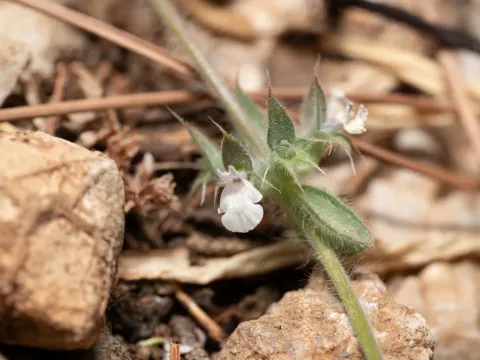
Sideritis curvidens
Sideritis curvidens
Sowing Sideritis curvidens is typically performed in early spring once the risk of frost has passed and soil temperatures allow for steady germination.
What the section contains
Sideritis curvidens
The seeds should be sown very shallowly, as they require light exposure and are sensitive to being buried too deeply within the substrate.
Proper spacing between rows is essential for this species to ensure adequate airflow and to facilitate necessary field maintenance activities.
Seedbed preparation must involve fine-tuning the soil tilth to accommodate the small size of the seeds and ensure intimate contact with the soil.
Under favorable climatic conditions, germination occurs within two to three weeks, provided that surface moisture is maintained during this critical window.
Belonging to the Lamiaceae family, Sideritis curvidens is a robust herbaceous plant adapted to rocky and arid environments across its native range.
The plant thrives in well-drained, nutrient-poor, and alkaline soils, reflecting its evolutionary development in mountainous limestone formations.
Full solar exposure is a primary requirement for this species, as it directly influences the biosynthesis of the essential oils and phenolic compounds.
Sideritis curvidens exhibits high tolerance to drought, utilizing its deep root system to access water during the dry months of the summer season.
Climate adaptation is a key feature, as the species has evolved to withstand both the intense heat of Mediterranean summers and cool, windy winters.
The yield of harvestable dry matter is heavily influenced by the density of the planting and the environmental stress factors during the vegetative period.
Economic production involves harvesting the aerial parts of the plant during peak flowering when secondary metabolites are most concentrated.
Field management techniques, such as proper weeding and occasional soil aeration, are correlated with higher biomass production per hectare.
Strategic harvesting timing allows producers to maximize the quality of the raw material, which is highly prized in the herbal tea industry.
The consistency of annual yields often improves as the stand matures, reaching stability between the second and fourth years of cultivation.
Pathogenic fungi, especially those causing root rot, are the most significant threats to Sideritis curvidens when grown in poorly drained soils.
Pest management should focus on early detection of aphids and mites, which can cause significant damage to young shoots during the growing season.
Environmental factors, such as excessive humidity during the harvest period, can jeopardize the quality of the crop and promote mold development.
Preventative cultural practices, such as maintaining adequate distance between individual plants, are essential for mitigating the spread of airborne diseases.
Careful monitoring of soil nutrient levels is required, as excessive fertilization can sometimes lead to vulnerability against specific plant pathogens.
Harvesting is performed by cutting the stems manually or mechanically, typically leaving enough of the base to facilitate regrowth for the following season.
Immediate post-harvest cooling and controlled drying are critical to preserving the volatile aromatic compounds that define the value of the herb.
Drying temperatures must be strictly maintained at low levels to prevent the degradation of heat-sensitive compounds within the plant tissues.
After reaching the appropriate moisture content, the dried herb is packed in moisture-proof packaging to protect against oxidation and aroma loss.
Quality control during the harvest stage involves removing any extraneous material and ensuring that the plant parts have the characteristic silver-green appearance.