
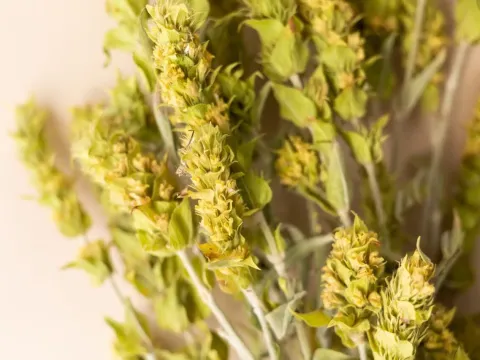
Sideritis clandestina
Sideritis clandestina
Sideritis clandestina is a perennial herbaceous plant belonging to the Lamiaceae family. It is native to the high-altitude rocky terrains of Greece, where it thrives in harsh, nutrient-poor, limestone-based soil conditions.
What the section contains
Sideritis clandestina
The plant is highly adapted to a Mediterranean climate, characterized by dry, hot summers and mild, wet winters. Agronomically, it requires well-drained, porous soil; the presence of stagnant water is the most common cause of plant failure in commercial cultivation.
Direct sun exposure is essential for the accumulation of active compounds, including essential oils and flavonoids. Cultivation areas should be situated on open slopes or well-lit fields to ensure consistent exposure to sunlight throughout the day.
Soil pH should ideally be neutral or slightly alkaline. Unlike many horticultural crops, Sideritis clandestina requires very little supplemental fertilization, as excessive nutrient levels often lead to vigorous vegetative growth at the expense of floral potency.
The main agricultural use for this plant is the production of "mountain tea," a popular herbal infusion. The industry values the species for its traditional medicinal properties, particularly its antioxidant and anti-inflammatory attributes.
Root rot is the most significant threat to Sideritis clandestina, primarily caused by excessive soil moisture and poor drainage. Maintaining a dry root zone through rocky substrate or gravel mulching is the standard preventive measure.
Pests such as aphids and spider mites may occur during periods of drought or if plants are grown in overcrowded conditions. Integrated pest management using organic practices is preferred to preserve the quality of the medicinal herb.
Fungal pathogens like powdery mildew can infect the foliage during humid weather. Providing adequate spacing between plants to facilitate air movement significantly reduces the risk of such infections.
Weed management is critical during the first year of establishment. As the plant is a slow grower, it cannot compete effectively with aggressive weeds, necessitating rigorous manual weeding and soil cultivation in the rows.
Winter dormancy provides a challenge if the soil is too wet. Cold resistance is generally good, but the combination of saturated soil and freezing temperatures can cause frost heave and subsequent root damage.
The optimal harvest time for Sideritis clandestina is when the plant is in full bloom. This stage marks the peak concentration of its aromatic and medicinal compounds, ensuring the highest quality of the final product.
Harvesting is performed by cutting the stems several centimeters above the ground. This regenerative pruning technique allows the plant to resprout in the following season, supporting sustainable production for several years.
Post-harvest processing involves immediate shade drying in well-ventilated areas. Exposing the cut herb to direct sunlight during the drying process should be avoided to prevent the volatilization of essential oils.
Cleanliness during the harvesting process is paramount. Using sanitized equipment helps prevent the introduction of pathogens and ensures the raw material meets food-grade standards for herbal tea producers.
Once dried, the herb must be stored in cool, dry, and dark conditions. Proper storage prevents moisture reabsorption and oxidation, allowing the plant material to maintain its sensory and therapeutic profiles for up to two years.