
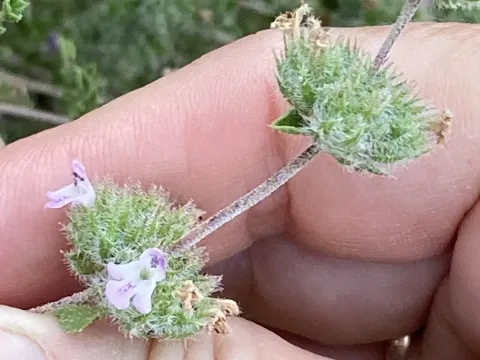
Satureja thymbra
Satureja thymbra
Sowing Satureja thymbra should ideally take place in early spring once soil temperatures reach 15–18 degrees Celsius. In cooler climates, starting seeds indoors in late winter is recommended to ensure a uniform stand before transplanting.
What the section contains
Satureja thymbra
When direct sowing, place seeds on the surface of well-prepared, fine soil and press them lightly; these seeds require exposure to light for optimal germination rates.
The recommended plant spacing is 20–30 centimeters apart, with rows spaced at least 40 centimeters apart to facilitate weeding and ensure proper plant development.
Given the tiny nature of the seeds, mixing them with dry sand or vermiculite is a standard practice to achieve an even distribution across the sowing area.
Keep the seedbed consistently moist using a fine mist spray until germination occurs, which usually takes about two to three weeks depending on environmental conditions.
As a member of the Lamiaceae family, Satureja thymbra thrives in full sun exposure, requiring at least six to eight hours of direct light daily to maintain its aromatic profile.
The plant prefers light, well-draining, calcareous soils. It performs poorly in heavy clay or waterlogged conditions, which can lead to rapid root decline.
It is inherently drought-tolerant once established, but requires supplemental irrigation during the seedling stage and during periods of extreme heat to maximize biomass production.
Soil pH should remain in the neutral to slightly alkaline range. Soil amendment with organic matter is beneficial, but nitrogen levels should be managed to avoid excessive vegetative growth.
Proper air circulation is crucial for this species; overcrowding or planting in sheltered areas with stagnant air significantly increases the risk of fungal infections.
Commercial yields for green matter typically range between 1.5 to 2 tons per hectare, depending on soil fertility and the frequency of harvests performed during the season.
The plant is highly valued for its volatile oil content, which is used in the flavoring and pharmaceutical industries. Proper harvesting timing is key to maintaining high concentrations.
Production is generally highest in the second and third years after planting. Maintaining the health of the base wood is essential to ensure long-term productivity of the plantation.
Regular pruning or mechanical harvesting promotes secondary growth, often allowing for multiple cuts in a single growing season if the climate permits.
Post-harvest processing quality is vital; rapid drying in shaded, airy conditions preserves the terpenes and prevents the loss of the plant's characteristic pungent aroma.
Root rot is the most common threat to Satureja thymbra, usually caused by overwatering or poorly draining soil profiles that suffocate the root system.
Powdery mildew may occur during periods of high humidity and poor ventilation, often appearing as a white dusty coating on the leaves and young stems.
Aphids and spider mites are typical pests, especially during dry, hot weather, which can stress the plant and make it more susceptible to localized infestations.
Integrated pest management, including the use of botanical soaps or predatory insects, is preferred to maintain the organic standards required for culinary herb production.
Crop rotation is mandatory to prevent the buildup of soil-borne pathogens. A gap of at least four years between plantings on the same plot is standard practice.
The harvest should take place at the onset of mass flowering, which is the stage when the plant reaches its peak concentration of aromatic essential oils.
The top 15–20 centimeters of the plant should be cut using sterilized shears. Avoid cutting into the woody base, as this can stunt future growth and increase susceptibility to rot.
Harvesting should be done on a dry day, ideally in the mid-morning after the dew has evaporated but before the intense midday sun reduces essential oil quality.
Bundled or spread in thin layers, the harvested material needs to be dried in a well-ventilated, shaded area to prevent mold growth and maintain its color and fragrance.
Properly dried product should be stored in cool, dry, dark conditions to ensure that the potency of the volatile compounds is retained for a longer shelf life.