
Satureja taurica
Satureja taurica
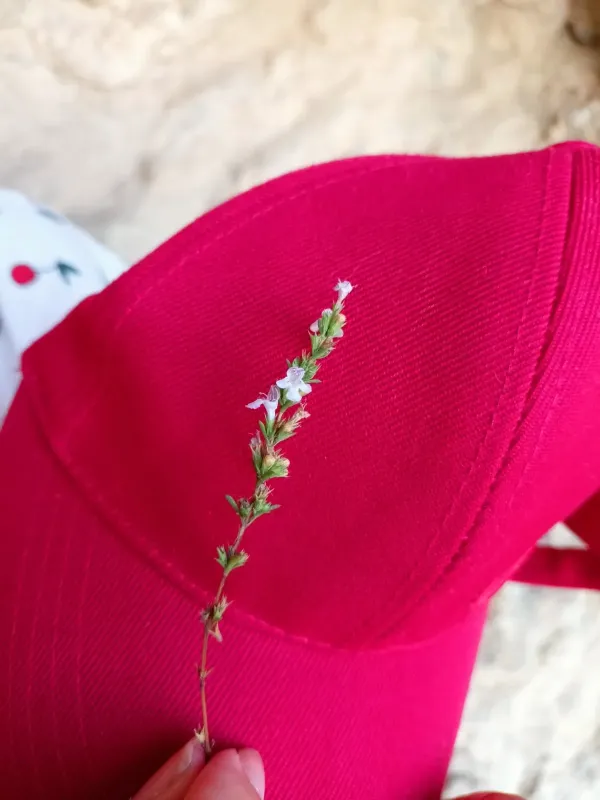
Description
Sowing dates
Satureja taurica is typically propagated via seedlings to ensure better establishment, as direct seeding requires precise environmental control for uniform germination.
Seeds are sown in greenhouses in early spring using a light, well-drained substrate, maintaining a steady temperature range of 18–20 degrees Celsius to encourage sprouting.
When sowing directly in the field, it is crucial to prepare a weed-free seedbed, as the young plants are slow to establish and can easily be outcompeted by invasive vegetation.
Thinning is necessary once the seedlings have developed several true leaves, ensuring that each plant has enough space to grow a robust root system and branch out properly.
Transplanting into the permanent field site should occur once the risk of spring frost has completely passed, which promotes rapid growth and long-term viability of the plantation.
Growing requirements
As a member of the Lamiaceae family, Satureja taurica thrives in well-drained, lime-rich, or stony soils that mimic its natural habitat in the Crimean mountains.
The plant is highly drought-tolerant and requires full sun exposure to develop its characteristic aromatic profile and essential oil concentration, which is its main commercial value.
Soil drainage is the most critical factor for this species; heavy, wet, or acidic soils can lead to root rot and significant plant mortality during the dormant winter months.
Minimal fertilization is required, with a focus on phosphorus and potassium to boost essential oil production rather than excessive nitrogen, which can lead to lush but less flavorful foliage.
Cultural practices include periodic weeding and surface cultivation between rows to maintain proper aeration and prevent soil crusting, which improves overall plant health and resilience.
Yield
The commercial yield of Satureja taurica is heavily influenced by site selection, irrigation management, and the timing of the harvest relative to the flowering cycle.
Under optimal conditions, the plant provides a consistent supply of aromatic biomass, with harvesting typically conducted twice per growing season to maximize output.
Mature plantations maintained for 4 to 5 years demonstrate high productivity before the natural decline of the plants requires a renovation of the entire field area.
Yield quality is measured by the content of essential oils, which varies based on climate conditions, emphasizing the importance of warm, dry weather during the weeks preceding the harvest.
Efficient management allows for high-quality production that serves various sectors, including culinary, medicinal, and perfumery industries, depending on the extraction method used.
Main diseases and pests
Fungal diseases such as powdery mildew are the most significant threats to Satureja taurica, particularly when high humidity and poor air circulation occur in dense plantings.
Common pests like aphids and spider mites may infest the plant during the initial stages of growth, potentially reducing the decorative and commercial quality of the harvested herb.
Integrated pest management, including crop rotation and proper site spacing, is essential to minimize the need for chemical interventions, which are restricted in herb production.
Preventative measures like removing infected plant debris and ensuring adequate field hygiene are vital to preventing the spread of pathogens throughout the cultivation area.
In regions with harsh winters, winter kill is a risk; providing light protection or ensuring the plants enter the winter in a healthy state can mitigate loss rates significantly.
Harvesting
Harvesting Satureja taurica is conducted at the peak of the flowering stage, the moment when the plant's essential oil concentration is highest for the best aromatic output.
The cutting process involves harvesting the top 15–20 centimeters of the green stems, allowing the lower part of the plant to recover and produce secondary growth.
Immediate processing is required post-harvest; the herbs must be transported to a drying facility to avoid sun-induced degradation of volatile flavor compounds.
Drying must occur in controlled, shady, and well-ventilated conditions at temperatures not exceeding 40 degrees Celsius to prevent the loss of delicate aromatic essential oils.
Once dried, the biomass is processed, graded, and stored in airtight, light-protected containers to ensure long-term shelf life and quality retention for various end-users.