
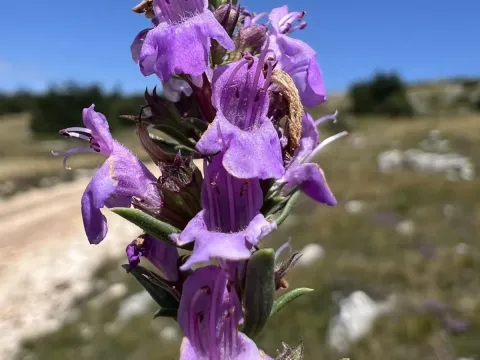
Satureja subspicata
Satureja subspicata
Satureja subspicata belongs to the Lamiaceae family, a group of plants widely known for their aromatic and medicinal properties.
What the section contains
Satureja subspicata
The cultivation process usually starts with seed sowing in controlled greenhouse conditions to ensure high germination rates before spring.
Once the risk of frost passes, the seedlings are transplanted to the field, maintaining sufficient spacing to prevent overcrowding.
Alternatively, direct seeding can be practiced in warm climates, though the small size of the seeds requires careful surface placement.
Consistent moisture is vital during the germination phase to support the delicate root systems of the young plants.
This species thrives in sunny environments with well-draining, slightly alkaline soils typical of its natural Mediterranean habitat.
It shows remarkable drought tolerance once established, though supplemental watering is beneficial during periods of extreme heat.
Protection from cold winds and excessive winter humidity is necessary to ensure the plant's survival throughout the year.
Soil aeration is critical; heavy clay soils should be amended with organic matter or sand to prevent root rot during wet seasons.
Regular weeding is essential in the early stages of growth to eliminate competition for nutrients and solar energy.
The biomass yield of Satureja subspicata is influenced by the sun exposure and the nutrient profile of the cultivated soil.
Professional plantations are typically harvested twice per season, provided that the plants receive adequate post-harvest care.
High concentrations of essential oils are achieved when the plants are grown in optimal light conditions and harvested at peak maturity.
Proper density management allows for easier mechanical or manual harvesting, increasing the efficiency of the overall production process.
Productivity is usually highest in the second year of cultivation, as the root system becomes deep and well-developed.
The most common issues for this crop include fungal infections that arise due to poor drainage or excessive soil moisture levels.
Pests like aphids can occasionally affect the tender foliage, necessitating careful scouting during the peak growing months.
Root rot remains the primary threat to plantation longevity, often caused by stagnant water or compacted soil conditions.
Integrated pest management strategies are recommended, focusing on maintaining plant health rather than relying on heavy chemicals.
Avoiding over-fertilization with nitrogen helps to keep the plants resistant to common fungal pathogens that thrive on weak stems.
Harvesting is best conducted at the start of the full flowering phase to ensure the maximum yield of aromatic oils.
Stems should be cut cleanly to avoid damage to the base of the plant, which promotes quicker regrowth for subsequent cuts.
After collection, the material must be moved to shaded drying areas to prevent the degradation of volatile essential oils.
Drying temperatures must be carefully regulated; exceeding 40 degrees Celsius can significantly diminish the quality of the final product.
Proper storage involves keeping the dried leaves in airtight containers, away from direct sunlight, to maintain their distinct scent and potency.