
Satureja intricata
Satureja intricata
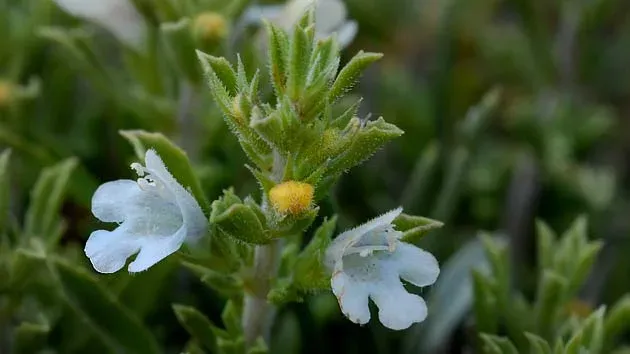
Description
Sowing dates
Satureja intricata belongs to the Lamiaceae family. It is a perennial subshrub typically propagated via seeds or vegetative cuttings in controlled agricultural environments.
Direct sowing in the open field should occur in early spring once soil temperatures reach 10–12 degrees Celsius, usually between late April and early May depending on the local climate.
For greenhouse cultivation, seeds are sown in late winter or early spring. Transplants are moved to the field after the danger of frost has passed, ensuring root systems are well-established.
Seed germination requires light exposure, so they must be sown very shallowly or pressed into the surface of the growing medium without significant soil coverage.
The standard planting distance involves maintaining a 40–60 cm interval between rows to ensure proper air circulation and facilitate manual or mechanical weeding practices.
Growing requirements
As a sun-loving plant, Satureja intricata requires full sun exposure to thrive. Insufficient light results in elongated stems and a lower content of aromatic essential oils.
The crop prefers well-drained, lightweight soils, such as sandy loams or gravelly mixtures, with a neutral to slightly alkaline pH level for optimal nutrient uptake.
The species is notably drought-tolerant but extremely sensitive to waterlogged conditions. Adequate drainage is essential to prevent root rot and ensure plant longevity.
Regular maintenance includes soil cultivation to improve aeration, particularly after heavy rainfall, which helps prevent surface compaction and anaerobic conditions.
Nutrient requirements are moderate; excessive nitrogen fertilization should be avoided as it promotes succulent vegetative growth at the expense of aromatic compound development.
Main diseases and pests
Fungal diseases are the primary threat, especially in humid or poorly ventilated conditions. Root rot and powdery mildew are the most common pathogens affecting the crop.
Pests such as aphids or spider mites may occur in isolated patches, although the plant's strong aromatic oils provide a level of natural resistance to most common herbivores.
Sanitation practices are critical; removing dead plant debris and managing weeds reduces the habitat for fungal spores and potential pest populations within the crop rows.
If disease symptoms appear, targeted biological treatments are preferred over broad-spectrum pesticides to maintain the high quality of the raw herbal material.
Implementing a crop rotation cycle that excludes other Lamiaceae members for at least three seasons is vital for preventing the build-up of host-specific soil-borne pathogens.
Harvesting
The harvesting stage for Satureja intricata begins at the peak of flowering, as this timing guarantees the highest concentration of volatile oils and flavor intensity.
Harvesting is performed by cutting the aerial parts of the stems, leaving about 10–15 cm of growth above the soil surface to allow for regeneration and multiple seasonal cuts.
Post-harvest processing involves rapid drying in a temperature-controlled, shaded, and well-ventilated environment to prevent oxidation of the essential oils.
Final product quality is verified by the preservation of the herb's characteristic green color and pungent scent, indicating high essential oil retention during the drying process.
The plant is widely utilized in the food processing industry as a spice and in the production of natural extracts for antimicrobial and antioxidant applications.