
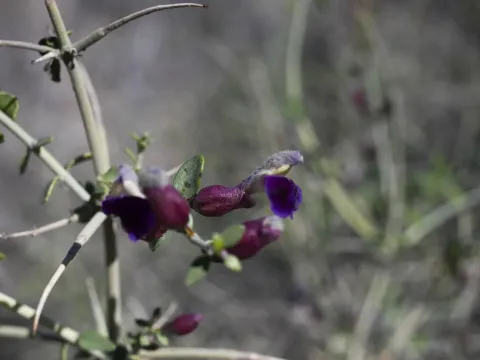
Scutellaria
Scutellaria L.
Scutellaria, commonly known as skullcap, is typically sown in autumn or early spring. The seeds often require cold stratification to break dormancy, making autumn planting a natural and effective way to ensure uniform germination once spring arrives.
What the section contains


Scutellaria
If sowing in the spring, seeds should be pre-treated under cold, moist conditions for several weeks. Due to the small size of the seeds, they should be sown shallowly, ideally at a depth of no more than 1 to 1.5 centimeters.
The recommended row spacing is between 45 and 60 centimeters. This provides sufficient space for mechanized weeding and allows for better air circulation, which is crucial for the health of the young plants.
Seedlings emerge gradually and exhibit slow growth during the first few weeks of development. Maintaining consistent soil moisture is essential during this phase to prevent the delicate seeds and young roots from drying out.
For a standard production field, the seeding rate is calculated based on seed viability, usually requiring about 1.5 to 2 kilograms of high-quality seed per hectare.
Scutellaria is a perennial herb of the Lamiaceae family, valued for its rich content of medicinal flavonoids. The crop thrives in full sunlight, as shade can significantly reduce the concentration of active compounds in its roots.
The ideal soil for Scutellaria cultivation is sandy loam or light loam that provides excellent drainage. Proper aeration of the soil is vital, as waterlogged conditions quickly lead to root rot and crop failure.
A soil pH ranging from 6.0 to 7.0 is optimal for the growth of this plant. Before establishing a field, it is important to ensure the land is clear of perennial weeds, as the crop is sensitive to competition during its initial establishment.
This plant is notably winter-hardy and can withstand the cold climates of its natural habitats. It does not require special winter protection in most temperate regions where it is cultivated commercially.
While moderate fertilization with phosphorus and potassium supports root mass development, an excess of nitrogen should be avoided. High nitrogen levels can promote excessive vegetative growth at the expense of root quality.
The harvest of Scutellaria roots is typically scheduled for the third or fourth year of cultivation. This timing ensures that the roots have reached their peak accumulation of active phytochemicals like baicalin.
Average yields of dry roots generally range from 1.5 to 3 tons per hectare. With proper agronomic care and ideal weather conditions, high-performing plantations can exceed these yield benchmarks.
Maintaining a high plant density throughout the years is a critical factor for productivity. Gaps in the field due to plant mortality can lead to an increase in weeds and a significant reduction in overall revenue.
Post-harvest processing, including washing and controlled drying, is essential for maintaining product grade. High-quality, clean, and properly dried roots are highly sought after by the pharmaceutical industry.
The economic viability of Scutellaria as a crop is supported by the consistent market demand for traditional herbal medicine and dietary supplements, making it a stable long-term investment.
Root rot is the most serious threat to Scutellaria, often triggered by poor soil drainage or excessive moisture. Prevention is the primary defense, emphasizing site selection and the avoidance of compacted soils.
Powdery mildew can occur during periods of high humidity and poor airflow. Managing the density of the crop and ensuring proper spacing between rows are effective strategies for mitigating this fungal issue.
Common agricultural pests such as aphids and spider mites may infest the foliage. These pests reduce the plant's overall vigor by draining sap, which in turn can lead to secondary infections.
Wireworms and other soil-dwelling larvae can damage the roots, creating entry points for pathogens. Implementing proper crop rotation sequences is the best way to reduce the pressure from soil-borne insects.
Because the plant is used for medicinal purposes, the use of synthetic pesticides is strictly regulated. Integrated Pest Management (IPM) practices, focusing on mechanical and cultural control, are strongly preferred.
Harvesting takes place in late autumn after the aerial parts of the plant have withered. This timing coincides with the plant's dormancy period, ensuring that the highest concentration of active compounds is sequestered in the roots.
Tractor-drawn harvesting equipment, such as customized root lifters or plows, is used to lift the roots from depths of 30 to 40 centimeters. Care must be taken to minimize mechanical damage to the root structure.
Immediately after harvest, the roots are cleaned of soil and debris. Washing should be performed with care to prevent the loss of water-soluble medicinal ingredients through excessive soaking.
The roots are then dried in climate-controlled drying facilities at temperatures not exceeding 50–60 degrees Celsius. Excessive heat or direct sunlight during the drying process will degrade the active flavonoids.
Once dried to the desired moisture content, the crop is stored in breathable containers in cool, dry warehouses. This preserves the quality of the raw material until it is ready for further processing and distribution.