
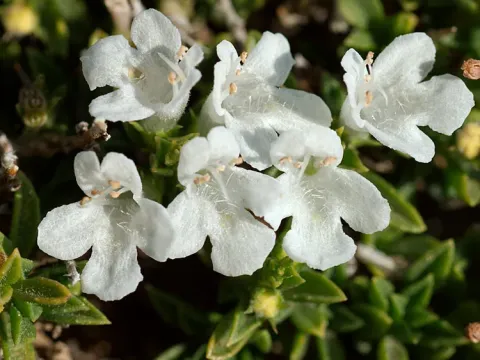
Satureja spinosa
Satureja spinosa
Sowing Satureja spinosa requires careful attention to timing, with early spring being the preferred window for direct seeding in temperate climates.
What the section contains
Satureja spinosa
Greenhouse propagation is highly recommended to improve seedling vigor, usually starting in late winter to ensure a robust plant for transplanting.
Optimal spacing should be approximately 30-40 cm apart, allowing sufficient airflow to prevent moisture accumulation around the plant base.
Seeds are small and require minimal soil cover, often just a dusting of fine substrate to maintain contact with the soil while receiving light for germination.
Consistent moisture levels are critical during the initial germination phase, but overwatering must be avoided to prevent seed rot in the soil.
Satureja spinosa, belonging to the Lamiaceae family, is naturally adapted to the rocky and arid landscapes of the Mediterranean basin.
The plant demands full exposure to sunlight throughout the day to optimize the biosynthetic pathways responsible for its signature essential oils.
Well-draining, calcareous soils with a neutral pH are ideal for healthy development and resistance to common moisture-related disorders.
As a xerophytic plant, it demonstrates impressive drought tolerance, making it a sustainable crop for regions experiencing water scarcity.
Thermal stability is important, though the species is known for its hardiness, surviving varying temperatures common to its native Mediterranean habitats.
The yield potential of Satureja spinosa is influenced by harvest frequency and the overall vigor of the perennial bushes across multiple seasons.
Strategic pruning post-harvest encourages denser branching, which directly translates into higher biomass production in subsequent cycles.
Commercial plantations focus on extracting high-quality essential oils used extensively in food flavoring and pharmaceutical applications.
Sustainable harvest management, such as maintaining a significant portion of the woody base, ensures the longevity and consistent production of the crop.
Optimal nutrient management, avoiding excessive nitrogen, helps maintain the purity and concentration of the secondary metabolites in the foliage.
Root pathogens represent the most significant threat to Satureja spinosa, usually resulting from poor soil drainage and waterlogged conditions.
Pests like aphids may target the succulent tips of new growth, requiring early detection and intervention to prevent damage to the harvestable crop.
Spider mites can become an issue during prolonged hot and dry periods, necessitating increased monitoring of the underside of the foliage.
Implementing a strict crop rotation schedule helps mitigate the risk of soil-borne diseases that can build up in the cultivation area over time.
Biological control agents are favored in modern cultivation to maintain the organic integrity required for culinary and medicinal herbal markets.
Harvesting is best conducted during the peak flowering stage when the concentration of essential oils is at its highest metabolic peak.
Stems should be cut cleanly, preserving the lower woody architecture of the plant to facilitate faster recovery and continued productivity.
Drying procedures must prioritize cool, shaded, and well-ventilated conditions to prevent the degradation of volatile aromatic compounds.
Once dried, the product should be stored in air-tight containers to maintain its potent flavor profile for commercial sale or processing.
- Quality assessment
- Grading by stem length
- Moisture testing for shelf stability