


Reference · Crops
Savory
Satureja L.
Savory seeds are sown in open ground during the spring when soil temperatures reach a consistent 10–12°C. Typically, this occurs from late April through early May, depending on the specific climate zone.
4
items
What the section contains
Marketplace
Products in this section · 12


Savory
For accelerated growth, a transplanting method is often employed, starting seeds in greenhouses or cold frames 30–40 days before moving them to their permanent outdoor location.
The seeds should be planted at a shallow depth of 0.5–1 cm. Given their small size, the soil surface must be pressed firmly after sowing to ensure adequate contact and moisture retention.
Maintaining row spacing of 30–40 cm is recommended to facilitate airflow and allow enough room for the plants to spread and develop their characteristic branching habit.
Germination typically takes 14 to 20 days. During this critical establishment phase, maintaining consistent moisture in the upper soil layer is essential for successful seedling emergence.
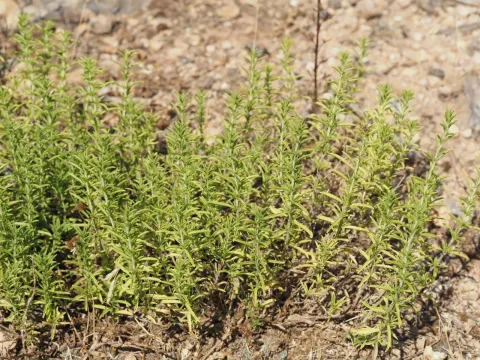
Savory is a member of the Lamiaceae family that thrives in full sun and well-drained soil. It is highly sensitive to waterlogged conditions, which can quickly lead to root rot.
The crop prefers light, fertile, and slightly alkaline or neutral soils. In its native Mediterranean and Caucasian habitats, it often grows in rocky, stony substrates with low water retention.
As a thermophilic plant, savory grows best at temperatures between 20°C and 25°C. It exhibits excellent drought tolerance once the plants are well-established in the field.
While the plant responds well to organic fertilization, excessive nitrogen application should be avoided, as it can significantly reduce the quality and aromatic intensity of the essential oils.
Proper site selection is key; planting in areas with high groundwater levels or poor drainage should be strictly avoided to ensure long-term plant health and vigor.
The yield of savory depends on local environmental conditions and the quality of agronomic management. With optimal care, producers can expect to harvest one or two cuttings per season.
In commercial cultivation, average yields of dried savory biomass typically range from 10 to 20 centners per hectare, depending on planting density and soil fertility levels.
Achieving stable productivity requires regular weed management and timely cultivation of inter-row spaces to prevent competition for essential nutrients and water.
To maximize yields of high-quality essential oil, harvesting should be strictly timed with the early flowering stage, when the concentration of volatile compounds is at its peak.
Productivity can be boosted by applying micronutrient foliar sprays during the budding phase, which enhances the overall physiological resistance and growth rate of the crop.
Due to its high essential oil content, savory possesses natural phytoncidal properties that confer a degree of resistance against many common pests and diseases.
Powdery mildew and root rot represent the primary threats, particularly in regions with high humidity or poor soil drainage. Preventive measures include proper spacing and drip irrigation.
Aphids may occasionally infest succulent young shoots during periods of heat stress. Biological control methods are generally preferred to maintain the organic integrity of the crop.
Nematode infestations in the soil can impede root development; therefore, strict crop rotation and the use of healthy, certified seeds are crucial for long-term farm safety.
To prevent the buildup of soil-borne pathogens, a rotation cycle of at least 3–4 years should be maintained before returning savory to the same plot of land.
The harvesting of savory for fresh use or drying is best performed just as the plants begin to bud, ensuring the highest possible oil content for culinary and medicinal uses.
Stems should be cut at a height of approximately 10–15 cm above the soil level to encourage rapid regrowth and the production of a subsequent harvest of fresh foliage.
Drying should take place in a shaded, well-ventilated area to preserve the volatile oils and maintain the vibrant color of the leaves, which can degrade if exposed to direct sunlight.
If seeds are intended for harvest, they must be allowed to fully mature until the flower heads turn brown and the seeds become firm and dark in color.
Properly cured and dried savory should be brittle and possess an intense, peppery aroma, signaling that it has been processed correctly for maximum commercial value.