
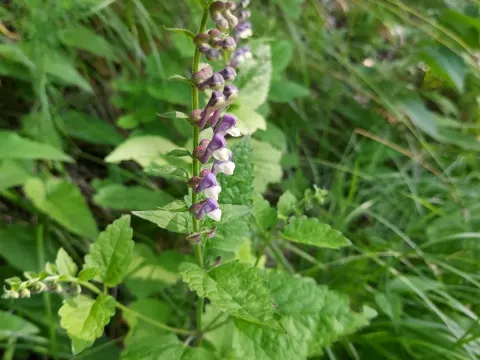
Scutellaria altissima
Scutellaria altissima
Sowing Scutellaria altissima in temperate climates is best performed in late autumn or early spring following a period of seed stratification. The seeds demonstrate high germination energy when kept at an optimal temperature range of 15–20 degrees Celsius.
What the section contains
Scutellaria altissima
Prior to sowing, the soil must be thoroughly prepared, loosened, and cleared of weeds. Seeds should be buried at a shallow depth of 1–1.5 centimeters to ensure sufficient oxygen access for the emerging sprouts.
A row spacing of 40–50 centimeters is recommended for field cultivation. This layout facilitates effective inter-row management and ensures that each plant receives adequate sunlight and ventilation.
As Scutellaria altissima is a perennial crop, planning the field location requires long-term consideration of the plot. Seedlings typically emerge within 14–20 days, requiring consistent moisture during the early establishment phase.
For more predictable results, a greenhouse starting method can be used, with transplants moved to the field once they reach the 3–4 true leaf stage to minimize environmental stress.
Belonging to the Lamiaceae family, this crop prefers fertile, loamy soils with a neutral or slightly acidic pH. Good soil aeration is critical, so organic amendments should be incorporated into heavy clay soils to improve their structure.
Scutellaria altissima is highly winter-hardy, allowing it to survive harsh winters in northern regions without needing protective covering. While it appreciates consistent moisture, it is sensitive to waterlogged conditions, making proper drainage mandatory.
Optimal growth occurs in well-lit areas, although the plant shows tolerance for partial shade, making it suitable for mixed agricultural forestry systems. Adequate sun exposure is preferred for maximum biomass production.
Good agronomy involves periodic fertilization with balanced mineral compounds, particularly those high in phosphorus and potassium to support vigorous root development and overall plant resilience.
Regular cultivation between rows is essential to prevent soil crusting. This practice helps conserve moisture and improves gas exchange in the root zone, which significantly promotes healthy growth throughout the vegetation period.
The economic value of this crop is derived from its flavonoid-rich biomass and roots. The yield depends heavily on planting density, soil fertility, and irrigation management throughout the growing season.
Harvesting of medicinal raw material usually commences in the second or third year of growth, when the concentration of active chemical compounds reaches its peak. With proper management, a plantation can remain productive for up to 7 years.
This plant is also a highly valued honey producer, providing nectar throughout its long flowering season. This characteristic makes it an excellent choice for integrated farms looking to combine crop production with apiary activities.
Typical yields for dry raw material can range from 1.5 to 3 metric tons per hectare, depending on the agricultural background and moisture availability. Yields are maximized when using advanced irrigation systems.
Maintaining high quality requires strict adherence to harvesting schedules. Cutting at the wrong phenological phase can lead to a significant drop in the concentration of essential oils and bioactive compounds.
The primary threats to Scutellaria altissima include fungal diseases that flourish in high humidity or overly dense plantings. Powdery mildew, characterized by a white film on leaves, is the most common concern.
Root rots caused by soil-borne pathogens can impact plantations where drainage is insufficient. Preventive measures include crop rotation and the use of healthy, pathogen-free starting material.
Insect pests, particularly leaf-chewing species, can reduce total vegetative mass. Biological insecticides applied at the first sign of infestation are recommended to protect the crop without compromising raw material quality.
Weed competition is a significant challenge during the initial establishment phase. Regular weeding and the use of mulch are necessary strategies to minimize crop losses and ensure the plants do not become suppressed.
Slugs and snails may cause damage to young shoots during exceptionally wet seasons. Regular field scouting and mechanical protective measures are advised to maintain the required plant population density.
Harvesting of the above-ground biomass should occur during the peak flowering phase. Stems are cut at a height of 10–15 centimeters above the soil line, ensuring the crown remains intact for regrowth.
Drying must be conducted in well-ventilated areas or specialized drying chambers. Temperatures should not exceed 40–45 degrees Celsius to prevent the degradation of essential medicinal compounds and maintain leaf color.
Roots are typically harvested in the autumn after the growing season when nutrient storage in the underground organs is at its highest. After harvest, roots must be washed, cut, and dried using the same temperature constraints.
Storage requires cool, dry, and dark conditions to prevent spoilage and the breakdown of bioactive agents. High-quality dry material should retain its natural aroma and structural integrity until processing.
Strict adherence to these post-harvest processing steps ensures that the final product meets pharmaceutical quality standards, maximizing the profitability of the harvest on the medicinal plant market.