
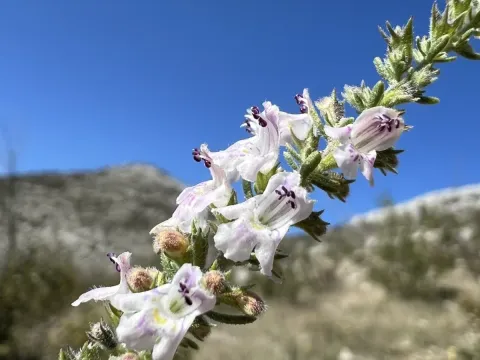
Satureja cuneifolia
Satureja cuneifolia
Satureja cuneifolia, commonly known as wedge-leaf savory, is a perennial subshrub belonging to the Lamiaceae family. It is increasingly valued as an essential oil crop, cultivated primarily through direct seeding or seedling transplanting methods.
What the section contains
Satureja cuneifolia
Sowing in open fields should occur in early spring once the soil temperature is consistently above 10 degrees Celsius. Due to the small size of the seeds, they should be placed at a shallow depth of approximately 0.5 to 1 centimeter to ensure proper germination and emergence.
When starting from seeds indoors, sowing is typically performed in late winter or early spring using specialized trays. The transplanting of seedlings to the field occurs once the danger of frost has passed, usually during May, depending on the specific climatic zone.
Plant density is a critical factor for success; spacing should allow for adequate airflow between plants to prevent humidity-related issues, while maintaining sufficient density to maximize yield per unit area.
Establishment requires meticulous weed control during the first growing season. Because the growth of savory seedlings is slow initially, keeping the crop weed-free is essential to allow the plants to develop a robust root system.
This crop requires full sun exposure for optimal growth and high essential oil production. The synthesis of secondary metabolites in savory is directly linked to the intensity and duration of sunlight received throughout the season.
Well-drained, sandy or loamy soils are ideal for Satureja cuneifolia. The plant is highly sensitive to waterlogged conditions, which can lead to root rot and other fatal fungal diseases, necessitating good soil structure or raised bed cultivation.
Wedge-leaf savory is known for its remarkable drought tolerance once established, making it suitable for cultivation in arid or semi-arid climates. However, supplemental irrigation during the peak growing phase will lead to significantly higher biomass yields.
The soil should have a neutral to slightly alkaline pH. The plant performs exceptionally well on calcium-rich soils. In acidic conditions, agricultural lime should be applied before planting to improve the soil chemical environment.
The plant demonstrates moderate cold hardiness. In regions with harsh winters, protection such as mulch or seasonal coverings may be required to protect the root crown, especially during the first year of establishment.
The primary threats to Satureja cuneifolia involve fungal pathogens, particularly root and crown rots, which often occur due to poor drainage or excessive humidity levels in the soil. Proper site selection is the best preventative measure.
Insects like aphids and spider mites can attack the foliage during hot, dry summer periods. Integrated pest management strategies should be employed, focusing on cultural practices before relying on chemical intervention.
Weeds pose a significant threat to young plantations, as they compete for light, water, and nutrients. Mechanical cultivation between rows is the most effective approach for maintaining healthy crop growth.
Crop rotation is crucial to prevent the accumulation of soil-borne pathogens. Savory should not follow other members of the Lamiaceae family to minimize the risk of shared diseases and pest pressure.
Good agricultural practices, including sanitizing planting material and maintaining correct plant spacing, are essential to minimize disease outbreaks and ensure the longevity of the herb plantation.
The harvest must be timed to coincide with the peak flowering period, as this is when the concentration of essential oils in the aerial parts is at its maximum. Harvesting at the right time ensures high-quality yield.
Using mechanical harvesters, the plants should be cut at a height of 10 to 15 centimeters above the soil surface. This height allows for rapid regrowth and helps the plant maintain health for subsequent seasons.
Immediately after harvest, the green material should be transported to a drying facility. The preferred method is slow drying in the shade with constant airflow to preserve the aromatic compounds and prevent oil evaporation.
For industrial processing, temperature-controlled drying is used to keep the temperature below 40 degrees Celsius. Excessive heat can degrade the essential oil quality and lower the commercial value of the crop.
Processed dried savory is widely used in both the culinary and pharmaceutical industries. Its antibacterial and aromatic properties make it a high-demand commodity in global herb markets.