
Scarlet Hedgenettle
Stachys coccinea
Description
Sowing dates
Sowing Stachys coccinea seeds is typically performed in late winter or early spring using a starting mix. Seeds respond well to cold stratification, which significantly improves the overall germination rate.
Maintain an ambient temperature of approximately 18–20°C for consistent sprouting. It is essential to keep the medium moist but not waterlogged during the early stages of seedling development.
Transplant seedlings into outdoor beds once all danger of frost has passed and the soil has warmed up. Proper spacing of about 30–40 centimeters is necessary to ensure adequate airflow between plants.
Vegetative propagation via division can be executed in early spring or autumn. This technique is highly effective for maintaining the desired characteristics and vigor of established plant clumps.
Establishment requires steady watering during the first weeks after transplanting. Once established, the plants demonstrate moderate tolerance to varying environmental conditions.
Growing requirements
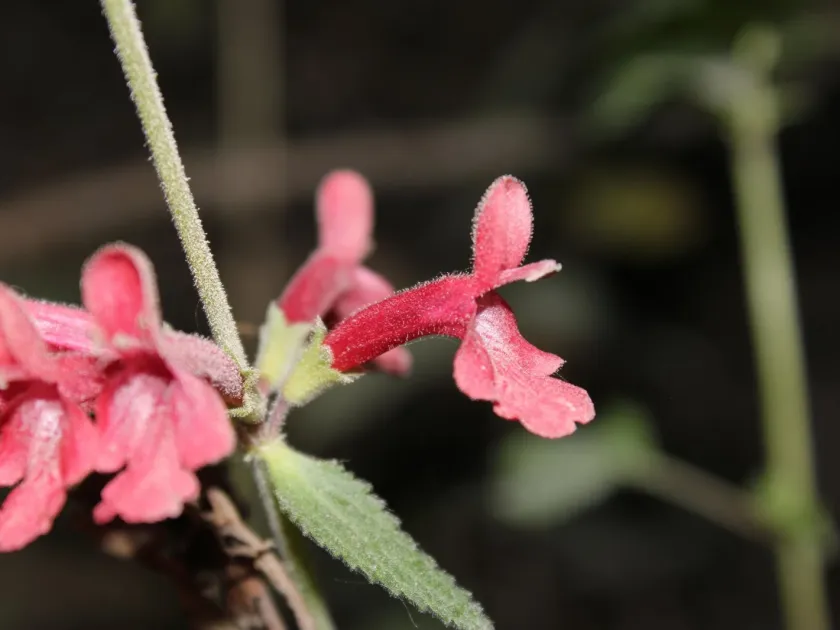
Stachys coccinea, a member of the Lamiaceae family, originates from the mountainous regions of North and Central America. It is a perennial valued for its striking scarlet-red tubular flowers.
This species thrives in full sun, which promotes dense growth and intense flowering. While it tolerates partial shade, excessive shade may result in leggy stems and reduced floral production.
Well-drained soil is a non-negotiable requirement for this crop. It prefers sandy or loamy textures that do not hold excessive moisture, preventing potential root rot during wetter seasons.
Irrigation should be managed carefully, providing water at the base of the plant rather than overhead. This minimizes the risk of foliage diseases and encourages a stronger, deeper root system.
Soil fertility can be managed with balanced fertilizers during the spring growth flush. Mulching around the base helps retain soil moisture while suppressing weeds, provided the mulch is kept away from the crown.
Main diseases and pests
Fungal pathogens such as powdery mildew represent the most significant threat to the plant, particularly in humid or stagnant air conditions. Regular thinning of branches helps reduce the impact of these diseases.
Root rot is frequently associated with poor drainage or excessive irrigation. Ensuring a high-quality, well-draining soil medium is the primary defense against this destructive condition.
Aphids and spider mites are common pests that target the plant's soft growth. Early identification and the use of targeted insecticidal soap or neem oil applications are recommended for control.
Slugs and snails can cause damage to tender shoots in the early spring season. Physical barriers or eco-friendly bait can effectively mitigate the damage to the emerging foliage.
Sanitation practices, including the removal of dead foliage and debris, are crucial for long-term health. Keeping the garden bed clean prevents the buildup of pathogens and common garden pests.