
Scardica betony
Betonica scardica
Description
Growing requirements
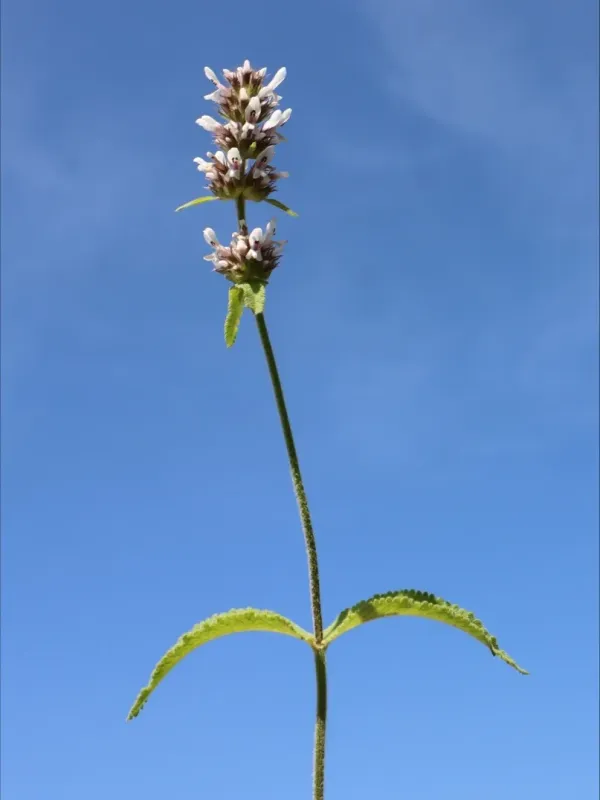
Scardica betony (Betonica scardica) is a perennial herbaceous plant belonging to the Lamiaceae family. Native to the Balkan Peninsula, this species is typically found in mountainous regions, thriving in rocky soils and open limestone meadows, which defines its high adaptability.
The plant requires well-drained, nutrient-poor to moderate soils with a neutral or slightly alkaline pH. It is highly valued in agriculture and gardening for its drought tolerance once established, though it responds well to consistent moisture during the initial growing stages.
Cultivation practices involve selecting sunny locations, as the plant needs significant light to develop its characteristic dense foliage and vibrant flowers. Over-shading often results in leggy growth and reduced secondary metabolite production, which is crucial for its medicinal properties.
Agrotechnical management includes periodic thinning of the stands to ensure proper air circulation. While Betonica scardica is frost-hardy, mulching during the first winter after planting can protect the root system from freezing in colder climates.
This crop is primarily used for its pharmacological potential and as an ornamental plant in rock gardens. Its ability to attract pollinators makes it an excellent addition to agricultural landscapes aiming to enhance biodiversity and improve local ecosystem health.
Main diseases and pests
Powdery mildew is a common fungal threat, especially in humid climates with poor air movement. Maintaining sufficient space between plants is the most effective cultural method to prevent the spread of spores throughout the crop.
Root rot occurs if the crop is planted in heavy clay soils that retain excessive water. Improving drainage through the addition of grit or sand is essential for maintaining a healthy and productive plantation.
Aphids can infest the tender shoots and flower heads during the late spring. While usually manageable, large infestations require prompt intervention with soaps or biological pesticides to prevent damage to the harvestable parts of the plant.
Slugs and snails present a significant threat to young plants, often consuming entire leaves overnight. Regular monitoring and the application of physical barriers like crushed shells or gravel around the base can mitigate these losses effectively.
General hygiene, such as removing dead plant debris in the autumn, helps reduce the overwintering population of pests and pathogens, ensuring the health of the crop in the following season.