
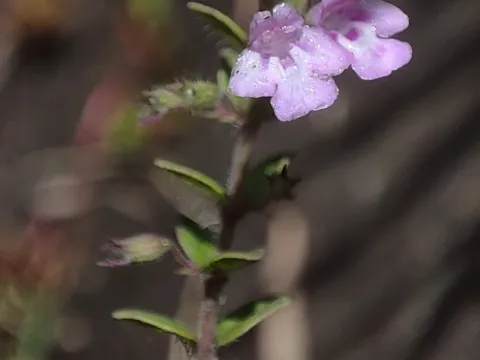
Satureja biflora
Satureja biflora
Satureja biflora, a member of the Lamiaceae family, is a perennial subshrub well-adapted to various climates. The seeds of this crop are small and require precise planting techniques to ensure successful germination.
What the section contains
Satureja biflora
Sowing typically occurs in mid-spring once soil temperatures reach 10–12 degrees Celsius. For those seeking early production, starting seeds indoors in greenhouse trays during late February is recommended.
Adequate light exposure is critical for the development of seedlings, as they are highly sensitive to low-light conditions. Planting in rows with a spacing of 30–40 centimeters is essential for later growth.
Seeds should be sown superficially, lightly covered with fine soil or sand. Proper moisture levels must be maintained consistently until the appearance of true leaves to prevent the delicate roots from drying out.
Seedlings should be thinned out approximately three weeks after emergence to ensure that each plant has a spacing of about 20 centimeters, which allows for optimal bush formation.
The plant demands high levels of sunlight throughout its growing cycle, making open, south-facing sites the most suitable locations for cultivation to maximize essential oil production.
Well-drained soil is a non-negotiable requirement, as heavy clay soils that retain water can lead to root rot. Soils should be light, sandy, and maintain a neutral pH level for the best results.
Although the species displays natural drought tolerance, regular and moderate irrigation is required during the active growth phase to ensure lush foliage and high crop quality.
Temperature tolerance is broad, but the plant thrives in moderate conditions. It is essential to protect young plants from extreme frost in colder regions by providing mulch or covering.
Minimal fertilization is required; excessive nitrogen application can lead to a decrease in the concentration of the aromatic compounds that define the value of this culinary and medicinal herb.
The yield of Satureja biflora depends heavily on planting density and the frequency of harvests. Under optimal conditions, a grower can expect up to 1.2 kilograms of dried product per square meter annually.
The primary harvest should occur during the onset of the flowering stage, as this is when the aromatic essential oils are at their peak concentration within the leaves and stems.
Secondary yields can be achieved by performing careful pruning after the first harvest. This practice encourages the development of side shoots and prevents the plant from becoming too woody too quickly.
Crop rotation is essential for long-term productivity, with a recommended cycle of returning to the same plot every 3–4 years to maintain soil fertility and prevent pathogen buildup.
Processing the harvest involves drying the plant material in a shaded, well-ventilated area to ensure that the active ingredients and essential oils are preserved in their natural state.
The most common pests affecting this crop include aphids and spider mites, which tend to proliferate during hot, dry periods, causing damage to the soft, developing tips of the shoots.
Fungal diseases, most notably powdery mildew, can occur in environments with poor air circulation or excessive humidity, showing up as a fine white dust on the foliage.
Root rot is a major threat in soils with poor drainage. Once an infection is detected, the affected plants must be removed immediately to protect the remaining crop in the field.
Preventative management, including weed control and proper plant spacing, significantly reduces the likelihood of pest and disease outbreaks throughout the growing season.
Integrated pest management, favoring biological controls over chemical pesticides, is recommended to ensure the final product meets safety standards for food consumption.
Harvesting should be conducted in the early morning hours, after the dew has evaporated but before the heat of the day reaches its peak, to maintain maximum volatile oil content.
Using sharp shears, the top 15–20 centimeters of the branches are cut. It is important to avoid cutting into the woody parts of the base to facilitate rapid recovery and future growth.
Collected bunches should be hung in a dry, dark place to facilitate slow, uniform drying, which preserves the green color and intense flavor profile of the herb.
Once dry, the leaves are threshed and separated from the woody stems. Storage should be in airtight, opaque containers kept in a cool place to prevent degradation from light or humidity.
The final product is widely used in the culinary industry for seasoning meat, fish, and legume dishes, valued for its pungent and unique aromatic properties.