
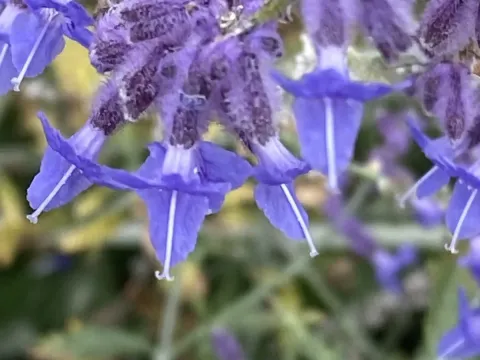
Salvia yangii
Salvia yangii
Salvia yangii, a member of the Lamiaceae family, is typically propagated through seeds which benefit from a period of cold stratification before germination occurs.
What the section contains
Salvia yangii
Seeds should be sown on the surface of well-draining soil in late winter or early spring, as they require light exposure to trigger the germination process.
Maintain a consistent temperature of approximately 18–20 degrees Celsius and keep the growing medium slightly moist but never waterlogged during the early stages.
Once seedlings develop two sets of true leaves, they should be transplanted into individual pots to encourage stronger root development before outdoor hardening.
Hardening off the seedlings over a period of two weeks is crucial before transplanting them into the garden to prevent transplant shock and temperature stress.
This species thrives in full sun and requires exceptionally well-draining soil, making it perfect for rock gardens and xeric landscapes with minimal maintenance.
The plant is highly drought-tolerant once established and prefers alkaline or neutral soils with moderate to low fertility to prevent excessive, floppy growth.
Excessive organic fertilization should be avoided, as it encourages weak, sprawling stems that may require physical support during heavy rain or wind events.
Proper air circulation is essential for the health of the plant, so spacing should be generous, typically allowing for 40 to 60 centimeters between specimens.
Winter care primarily involves ensuring the soil remains dry, which is achieved by selecting elevated planting sites or improving soil drainage with gravel amendments.
The most common threat to Salvia yangii is fungal infection, which is almost exclusively caused by poorly draining soil or stagnant moisture around the root crown.
Root rot is a critical condition; once it appears, it is difficult to reverse, necessitating the removal of the affected plant to prevent the spread of pathogens.
Pests such as aphids or whiteflies may occasionally infest the plant during hot, dry summers, causing stunted growth and yellowing of the foliage.
Cultural control, including proper site selection and strategic pruning, is the most effective way to prevent these threats without relying on chemical interventions.
Monitoring for signs of stress, such as wilting despite adequate moisture, can help identify drainage issues before they lead to permanent damage of the root system.
Harvesting for ornamental use, such as dried flower arrangements, should occur when the flowers are fully developed but not yet beginning to fade or drop petals.
Cut the flowering stems early in the morning after the dew has evaporated to ensure the highest concentration of essential oils and better color retention.
Hang the stems upside down in a shaded, well-ventilated area for several days to allow for thorough drying while maintaining the silvery foliage appearance.
Annual pruning in late winter or early spring is necessary to maintain a compact, bushy shape and to remove deadwood that may have accumulated over the winter.
These harvested stems are highly valued in modern floral design for their long-lasting lavender-blue color and their ability to provide vertical interest in bouquets.