
Sardinian ground ivy
Glechoma sardoa
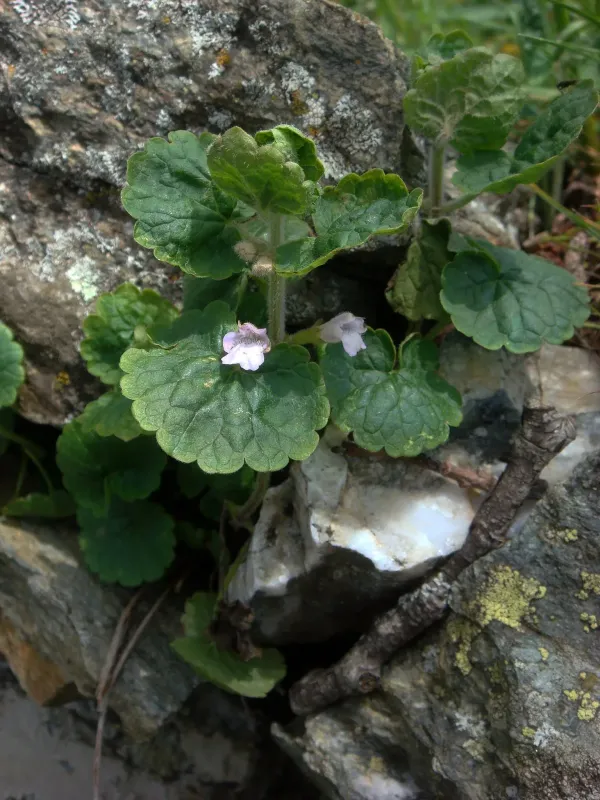
Description
Growing requirements
Sardinian ground ivy (Glechoma sardoa) is a charming perennial belonging to the Lamiaceae family. It is distinct for its diminutive, creeping growth habit, which allows it to form dense, low-growing mats, making it an excellent candidate for ornamental ground cover.
The species originates from the island of Sardinia, which influences its physiological needs. Unlike more aggressive relatives, it thrives in environments that mimic Mediterranean conditions, characterized by mild winters and moderate humidity levels.
Cultivation requirements focus on soil quality. It prefers well-drained, fertile soil that remains consistently moist but never waterlogged. Incorporating organic matter into the soil profile helps sustain its moisture needs while maintaining adequate aeration for the roots.
Regarding light exposure, the plant performs best in partial shade. While it can adapt to different light levels, intense afternoon sun may scorch the foliage or lead to dehydration, especially during the peak summer months when the soil temperature rises.
General maintenance involves light watering and avoiding soil compaction. Due to its slow-spreading nature, it is not considered invasive, allowing gardeners to integrate it into rock gardens, containers, or shaded borders with minimal risk of uncontrolled spread.
Main diseases and pests
Fungal diseases constitute the primary threat to Glechoma sardoa. Root rot and stem rot are frequently observed when drainage is poor or when the soil remains waterlogged for extended periods, creating a breeding ground for pathogens.
Pests such as aphids and spider mites can occasionally affect the plant, particularly in stressed conditions. Early detection is essential, as the small, delicate leaves can be quickly damaged by sucking insects if left untreated.
Environmental stress caused by severe cold or intense heat can weaken the plant, making it more susceptible to opportunistic infections. Using a light layer of mulch can help protect the roots from extreme temperature fluctuations.
Competition from weeds is a significant challenge during the plant's establishment phase. Because of its low stature, it cannot easily outcompete faster-growing weeds, necessitating manual weeding to ensure the health and visibility of the ground ivy.
Adequate air circulation is a key management strategy. Dense plantings should be monitored to ensure that humidity does not get trapped near the crown, as this can encourage the proliferation of mold and other moisture-related issues.