
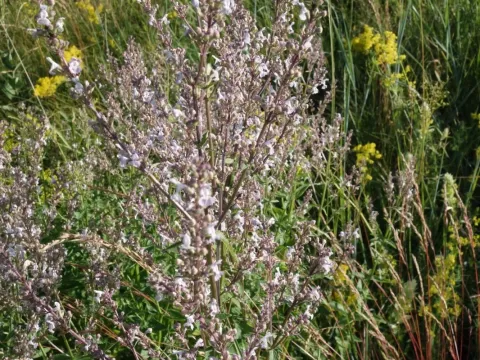
Catnip
Nepeta nuda
Nepeta nuda, known as catnip, is a perennial herbaceous plant belonging to the Lamiaceae family. Sowing is typically carried out in late autumn or early spring, as soon as the soil is workable, to ensure the seeds benefit from natural cold stratification.
What the section contains
Catnip
Seeds are small and require shallow sowing at a depth of 1–2 cm. Proper soil contact is essential for germination; therefore, packing the soil after sowing significantly improves the uniformity of the stand in the field.
Seedlings emerge within 2–3 weeks depending on soil temperature. Row spacing is usually set between 45 and 60 cm, providing sufficient space for mechanical weeding, which is vital during the slow-growing stage of the first year.
During the first year, plants invest energy in developing a robust root system and a rosette of leaves. Weed control is critical during this phase, as competition can stunt the development of the young perennials.
In subsequent years, plants exhibit vigorous growth, resuming vegetation early in the season. Establishing a consistent plant density is key to optimizing biomass production for industrial applications throughout the plantation's lifespan.
Catnip is a photophilous plant that thrives in full sun, which is essential for maximizing essential oil content. Shaded environments negatively impact both the aromatic quality of the herb and the total yield per hectare.
The crop prefers well-drained, fertile loamy or sandy soils with a neutral to slightly alkaline pH. Poor drainage or waterlogged conditions are highly detrimental, often causing root rot and leading to significant crop failure.
While the plant shows good drought tolerance once established, consistent moisture during the budding and flowering phases is necessary to boost growth. Supplemental irrigation during dry spells can drastically improve the biomass output.
Catnip is winter-hardy and adapts well to temperate climates. However, in regions with harsh, snowless winters, protection against frost heaving and extreme temperature drops can be beneficial for long-term plantation health.
Soil fertility management should focus on balanced nutrient levels. Over-application of nitrogen can lead to excessive vegetative growth at the expense of aromatic compound development, potentially reducing the value of the raw material.
The primary commercial interest in Nepeta nuda lies in its medicinal properties and essential oil content. Harvesting occurs during full bloom, when the concentration of biologically active compounds is at its peak.
Average yields of dry herb range from 1,500 to 2,500 kg per hectare, depending on the age of the stand and local climate conditions. Productivity typically peaks during the second and third years of the plantation.
As a valuable melliferous plant, catnip is frequently integrated into apiculture systems. A single hectare can produce significant amounts of nectar, resulting in high-quality honey with unique aromatic profiles.
Essential oil extraction requires professional distillation technology. The quality and yield of the oil are sensitive to harvest timing and drying methods, making precise field management a crucial factor for the final product's market value.
Plantations remain productive for about 4–5 years. After this cycle, vigor often declines, and soil fatigue may set in, necessitating a crop rotation strategy where catnip is replaced by other non-related species.
Powdery mildew is the most common fungal disease, typically occurring in conditions with high humidity and poor air circulation. Proper row spacing and field sanitation are essential preventative measures against its spread.
Root rot diseases are primary threats caused by excess moisture or poor soil structure. If stagnant water occurs, the plants rapidly lose vigor and may die, leading to patchy fields that are difficult to manage.
Pests such as leaf beetles and certain bug species can damage the foliage, negatively impacting both biomass quantity and essential oil purity. Biological control methods are preferred to maintain the organic standards of the raw material.
Nematodes can infest roots in humid or compacted soils, weakening the plants. Rotation with resistant crops and ensuring healthy planting stock are the best defenses against these subterranean threats.
Regular inspection of the crop for early signs of disease is essential. Removing and destroying infected plants helps limit the spread of pathogens, ensuring the health and longevity of the remaining plantation.
Harvesting should take place on dry, sunny days after morning dew has evaporated to ensure the highest quality of the raw material and prevent post-harvest spoilage during the drying phase.
Cutting should be done 10–15 cm above the ground. This preserves the crown and dormant buds, which is vital for the plant to successfully survive the winter and produce new growth in the following season.
Post-harvest, the herb must be dried immediately in shaded, well-ventilated areas or in specialized dryers at temperatures not exceeding 40 degrees Celsius. This preserves the integrity of the essential oils.
Proper storage is essential; the dried product should be kept in a cool, dry place to prevent the oxidation of essential oils. Exposure to light and moisture can quickly diminish the product's quality and market value.
Farmers aiming for premium markets should implement rigorous quality control measures, including careful cleaning of the herb and maintaining strict moisture standards during packaging to ensure a stable shelf life.