
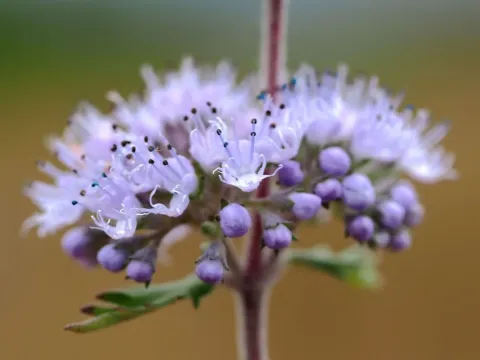
Caryopteris
Caryopteris
Propagation of Caryopteris is most commonly achieved through seeds or stem cuttings. Sowing seeds directly into open ground is performed in spring, typically in April or early May, once the soil has sufficiently warmed up.
What the section contains


Caryopteris
For early flowering, seeds should be sown indoors in March using a light, nutrient-rich substrate. The optimal temperature for seed germination is between 18 and 20 degrees Celsius.
Cuttings are considered a more efficient method for maintaining the varietal characteristics of the crop. Semi-hardwood cuttings are prepared in late June or July, utilizing lateral shoots from the current season.
Rooting of cuttings is conducted in a mix of sand and peat under plastic cover to maintain high humidity levels. The process of root formation usually takes between three and four weeks.
Transplanting seedlings or rooted cuttings to their permanent location is done once the weather is consistently warm, eliminating the risk of late spring frosts.
Caryopteris is a perennial deciduous shrub from the Lamiaceae family, native to East Asia. It is highly valued for its aesthetic appeal and its ability to adapt to relatively poor soil conditions.
The crop has high requirements regarding site illumination. To achieve full development and abundant flowering, the plant needs maximum exposure to sunlight throughout the day.
Optimal soils for Caryopteris are loose, well-drained substrates with a neutral or slightly alkaline pH. The crop is extremely sensitive to moisture stagnation in the root zone, which can lead to plant mortality.
In climates with harsh winters, Caryopteris requires reliable protection or should be cultivated as a container plant. It possesses moderate frost resistance and is capable of recovering after partial freezing of shoots.
An essential element of agrotechnology is regular sanitary and formative pruning. In early spring, bushes are trimmed to remove old or damaged branches, which stimulates active flowering on the current year's growth.
Caryopteris possesses a strong natural immunity to most fungal and bacterial diseases. However, violations of agronomic practices and waterlogged soil may lead to root rot infections.
Among pests, aphids and spider mites represent the greatest threat to the crop. These insects multiply rapidly during hot, dry weather, extracting juices from young leaves and flower clusters.
Disease prevention consists of adhering to proper watering regimes and avoiding dense planting. Good air circulation is the primary factor in reducing the risk of pathogen outbreaks.
When pests are detected, treatment with systemic insecticides or acaricides should be performed. It is critical to spray during early morning or evening hours when wind speed is minimal.
Systematic inspection of plantations allows for the identification of infection hotspots at early stages, helping to minimize the use of chemical plant protection products.