
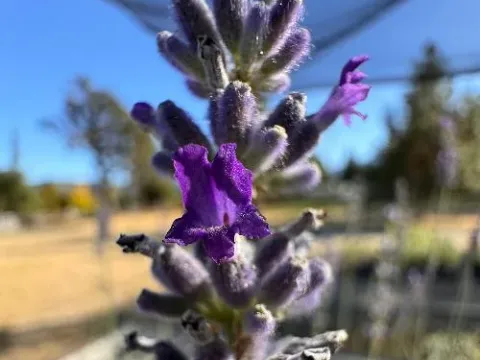
Chaytor's lavender
Lavandula chaytorae
Chaytor's lavender (Lavandula chaytorae) is an exquisite species belonging to the Lamiaceae family. It is widely recognized for its distinctive silvery foliage and its ability to thrive in harsh, dry climates, making it a valuable asset for both ornamental gardens and commercial herb cultivation.
What the section contains
Chaytor's lavender
This crop requires full sun exposure to maintain its compact habit and intense scent. Planting locations should be selected carefully to ensure the plants receive at least six to eight hours of direct sunlight daily throughout the growing season.
Regarding soil conditions, Chaytor's lavender demands excellent drainage and a slightly alkaline pH level. In regions with heavy, clay-based soils, it is essential to amend the planting site with gravel or sand to mimic the plant's natural, rugged habitat and prevent root diseases.
Watering requirements are minimal once the plant is established. Overwatering is the most common cause of failure in lavender cultivation; therefore, a "drought-first" approach is highly recommended, allowing the top layer of soil to dry out completely between irrigation cycles.
Pruning is a critical agronomic practice for maintaining the longevity of the plant. A light shear after the main flowering phase prevents the wood from becoming excessively old and woody, promoting fresh growth and denser branching in the following season.
The main threats to Lavandula chaytorae include fungal pathogens such as Botrytis cinerea, which can quickly spread in humid conditions. Ensuring proper spacing between plants is the most effective cultural practice to encourage air circulation and reduce the risk of infestation.
Pests like spider mites and leafhoppers can occasionally colonize the plants during hot, dry spells. Integrated Pest Management (IPM) strategies, including the use of neem oil or natural predators, are preferred over broad-spectrum chemical pesticides to ensure the purity of the final harvest.
Harvesting of the flowering stems should take place when the buds are beginning to open but have not yet fully bloomed. At this precise stage, the volatile oil content is at its peak, ensuring superior quality for aromatic and medicinal extracts.
The stalks are typically harvested by hand using sharp tools to avoid damaging the woody stems. Following the harvest, drying is conducted in a cool, dark environment to prevent the degradation of aromatic compounds due to photo-oxidation or heat stress.
The economic value of this crop is derived from its essential oils, which are highly sought after in the perfume and pharmaceutical industries. Its dried flowers are also commonly used in the production of high-end herbal products and aromatherapy accessories.