
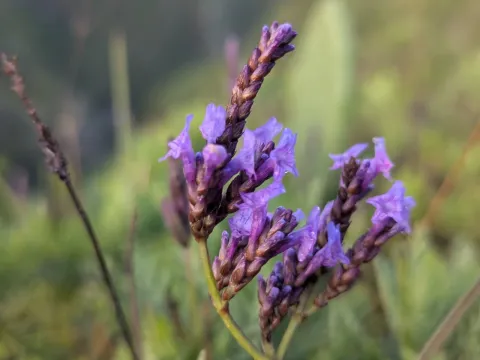
Canary lavender
Lavandula canariensis
Canary lavender is typically propagated by seeds that require a stratification period of approximately four to six weeks at cool temperatures to break dormancy. This process mimics the plant's natural environment and significantly improves the overall germination rate.
What the section contains
Canary lavender
Seeds should be sown in a light, well-draining seed-starting mix, pressing them gently into the surface without covering them too deeply. A warm, bright location with indirect sunlight is essential during the initial germination phase to encourage healthy seedling growth.
Once seedlings have reached a height of several centimeters and developed their first true leaves, they can be transplanted into individual pots. Using porous clay pots is highly recommended to help manage moisture levels and allow for proper root development.
Before moving the plants to their final outdoor location, a hardening-off period of at least two weeks is necessary. Gradually exposing the young plants to outdoor conditions prevents transplant shock and strengthens the plant's tolerance to direct sun and wind.
Late spring, when all threats of frost have passed, is the optimal time for planting out in the garden. Ensuring the soil temperature has stabilized at a moderate level helps the young plants establish their root systems more efficiently before the heat of summer.
As a member of the Lamiaceae family, Canary lavender thrives in full sun and requires at least six to eight hours of direct light daily. This high light requirement is critical for the development of its aromatic essential oils and characteristic flower spikes.
The plant demands extremely well-draining, slightly alkaline soil to mirror the rocky, volcanic conditions of its native Canary Islands. Adding grit, coarse sand, or pumice to the soil mixture is necessary to prevent the water retention that can lead to root rot.
In terms of climate, Lavandula canariensis is adapted to mild, frost-free environments. In regions with cold winters, it must be grown in containers and moved indoors or protected in a greenhouse to survive freezing temperatures and excessive winter moisture.
Pruning is a vital aspect of maintenance that should be performed annually after flowering. Cutting back approximately one-third of the green growth helps to keep the plant compact and prevents the stems from becoming woody and sparse over time.
Watering should be performed on a strict "soak and dry" cycle, allowing the soil to dry out completely between waterings. During the dormant winter season, water intake should be reduced to an absolute minimum to avoid compromising the root system's health.
The primary threats to Canary lavender are fungal pathogens, specifically Phytophthora and Pythium, which flourish in damp, poorly ventilated environments. Proper spacing between plants is essential to ensure adequate airflow and reduce the humidity levels near the foliage.
Pests such as aphids and spider mites can occasionally infest the foliage, particularly when the plant is stressed by improper environmental conditions. Keeping the plants healthy with balanced light and airflow is the most effective natural defense against these common pests.
It is crucial to remove any dead or yellowing leaves from the center of the plant immediately, as these can serve as entry points for mold or decay. Regular sanitation of the garden space reduces the presence of spores that might infect healthy parts of the plant.
If chemical interventions become necessary, choosing systemic fungicides or insecticidal soaps should be done with care to avoid harming beneficial pollinators. Monitoring the undersides of leaves during the growing season allows for early detection of potential infestations.
In container-grown specimens, ensuring that drainage holes remain unobstructed is a simple but effective preventative measure. Any signs of root decay, such as a darkening of the base of the stems, indicate that the current watering regimen is too heavy and requires adjustment.