
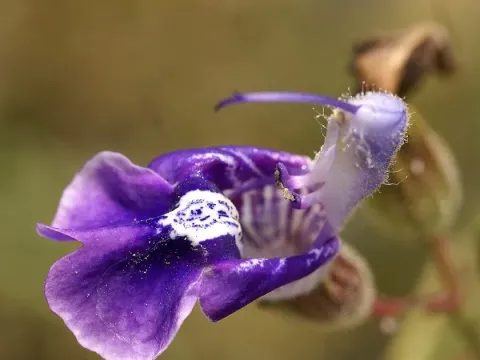
Candelabra sage
Salvia candelabrum
Sowing Candelabra sage seeds is best performed in late winter or early spring in a greenhouse or cold frame to allow for a prolonged growing period before transplanting.
What the section contains
Candelabra sage
Seeds are small and require light for germination, so they should be sown on the surface of a light, well-draining soil mix without being covered by a thick layer of substrate.
Maintaining a constant temperature between 18 and 20 degrees Celsius is essential for steady germination, which usually occurs within two to three weeks after sowing.
Once seedlings have developed at least two pairs of true leaves, they should be pricked out into individual pots to encourage a strong and healthy root system.
Hardening off the plants is a crucial step before moving them to their permanent location in the garden, usually once the danger of late spring frosts has passed.
Candelabra sage requires a sunny position in the garden with excellent exposure to sunlight to promote strong stems and abundant, vibrant flowering during the summer months.
The ideal soil type is a well-draining, slightly alkaline to neutral sandy loam, as the plant is highly sensitive to waterlogged conditions that can cause root rot.
While the species is relatively drought-tolerant once established, providing occasional deep watering during extreme heatwaves will improve overall plant vigor and health.
In colder regions, it is recommended to apply a layer of mulch around the base of the plant during autumn to protect the crown from freezing temperatures during winter.
Proper airflow is essential for the health of this sage; therefore, planting it with adequate spacing (at least 50 centimeters apart) is strongly advised for best results.
The most common disease affecting Candelabra sage is powdery mildew, which typically occurs during periods of high humidity and poor air circulation around the plants.
Root rot remains the most significant threat to the plant's longevity, usually resulting from heavy soils that retain too much moisture during the dormant winter season.
Aphids and spider mites are typical pests that can infest the foliage, particularly during dry weather, necessitating regular monitoring of the plant's health.
Slugs and snails may occasionally feed on young, tender leaves in the early spring, so keeping the area around the plants clear of debris is a simple preventative measure.
Integrated pest management, including the use of neem oil or insecticidal soaps, is effective if outbreaks of pests are detected at an early stage.
Harvesting the flowering stems is best done during full bloom in mid-summer when the aromatic properties of the plant are at their peak for essential oil production.
Using sharp, sterilized shears, cut the flower spikes while leaving the basal foliage intact to ensure the plant can store enough energy for the following winter.
For drying, hang small bundles of the stalks upside down in a cool, dark, and well-ventilated room to maintain the shape and color of the inflorescences.
The dried flowers are highly valued in decorative arrangements and potpourri due to their unique candelabra-like branching pattern and long-lasting nature.
In addition to ornamental value, this species serves as a valuable nectar source for pollinators, significantly benefiting the local garden ecosystem during the flowering season.