
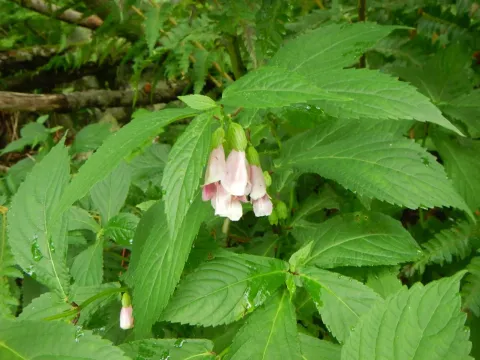
Chelonopsis moschata
Chelonopsis moschata
Sowing Chelonopsis moschata seeds is typically performed in early spring, once the soil temperature is suitable for consistent germination.
What the section contains
Chelonopsis moschata
For better results, gardeners often start seeds in greenhouse trays during late winter to ensure a head start on the growing season.
When sowing directly into the ground, it is essential to prepare a fine seedbed and ensure the seeds are lightly covered with a thin layer of soil.
Spacing requirements should be strictly observed, providing each plant with at least 30 to 45 centimeters of room for lateral development.
Stratification of seeds before planting can significantly improve the emergence rate of seedlings, as it mimics the natural cold cycle.
Chelonopsis moschata is a member of the Lamiaceae family, known for its distinctive foliage and musk-scented flowering stems.
The plant thrives in soil that is rich in organic matter and possesses a slightly acidic to neutral pH balance for optimal nutrient absorption.
Well-drained soil is a non-negotiable requirement for this species, as it is highly susceptible to root damage caused by excessive waterlogging.
While the plant tolerates partial shade, it requires bright, indirect light to develop its full potential and strong, sturdy stems.
Regular mulching is recommended to maintain stable soil temperature and moisture levels, which supports the plant through warmer months.
Fungal issues, particularly powdery mildew, are common threats, especially in areas with poor ventilation and high atmospheric humidity.
Sucking insects such as aphids and spider mites can infest the foliage, requiring diligent monitoring and prompt intervention with eco-friendly pesticides.
Root rot is the most common physiological challenge, usually resulting from inadequate soil drainage or over-irrigation in clay-heavy soils.
Good cultural practices, including clean cultivation and proper plant distancing, are the primary defenses against disease outbreaks.
Removal of dead or diseased biomass at the end of the season prevents overwintering of pathogens that could affect the next year's growth.