
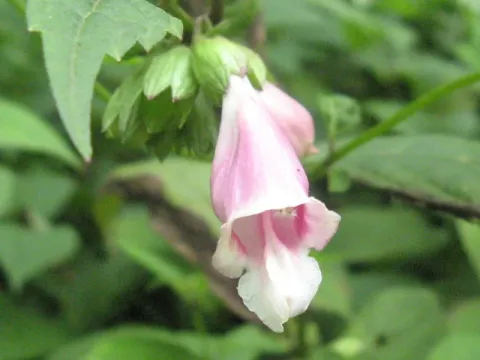
Chelonopsis longipes
Chelonopsis longipes
Sowing Chelonopsis longipes seeds requires careful preparation, as the seeds often exhibit dormancy that must be overcome through cold stratification. Ideally, seeds should be sown in late autumn to experience natural winter temperatures, or stratified artificially in a refrigerator before spring planting.
What the section contains
Chelonopsis longipes
When starting in containers, use a well-draining, sterile seed-starting mix. Maintain temperatures between 15°C and 18°C to ensure steady germination. Once the seedlings develop two sets of true leaves, they should be carefully transplanted into individual pots to allow for adequate root development before moving to the field.
Field transplantation is best performed in mid-spring, once the soil has warmed and the danger of severe frost has passed. Space the plants approximately 40 cm apart to allow for proper airflow and mature plant diameter, which helps prevent overcrowding in subsequent growing seasons.
Vegetative propagation is also a viable option for this species, particularly when working with established, healthy clumps. Dividing the root system in early spring or late summer allows for the expansion of cultivation areas while ensuring that new divisions have enough time to establish their root systems before extreme temperatures occur.
Consistent moisture is vital during the initial establishment phase. Newly transplanted seedlings should be monitored closely to ensure that the root zone remains consistently damp but not waterlogged, as this is critical for the long-term survival of the young perennials.
Chelonopsis longipes, a member of the Lamiaceae family, flourishes in environments that mimic its natural forest-edge habitat. It requires partial shade, as intense direct midday sunlight can lead to leaf scorching and premature wilting, especially in drier climates.
The soil should be rich in organic matter and possess an excellent drainage profile. While the plant appreciates consistent moisture, it is sensitive to waterlogged conditions, which can lead to root rot. Amending heavy soils with compost or coarse sand can significantly improve their suitability for this crop.
Temperature and humidity play a major role in the health of this species. It prefers a temperate climate and benefits from higher ambient humidity. During hot, dry summer months, supplemental irrigation is often necessary to maintain the plant's vigor and decorative appeal.
Soil pH should ideally be neutral or slightly acidic. If the soil is excessively alkaline, the addition of organic peat or sulfur-based amendments can help create a more favorable growing medium. Regular soil testing is recommended to ensure that nutrient levels remain balanced for sustained perennial growth.
Mulching is a highly effective practice for this crop. Applying a layer of organic mulch around the base of the plants helps regulate soil temperature, conserves moisture, and inhibits the growth of competitive weeds, creating a cleaner and more productive growing environment.
Fungal diseases, particularly powdery mildew, represent a significant threat to Chelonopsis longipes, especially in conditions characterized by high humidity and limited air movement. Improving spacing and ensuring that the foliage stays dry during irrigation can help mitigate these risks.
Root rot is another common issue, often stemming from poor drainage or over-irrigation. If the roots are constantly sitting in saturated soil, they may die off, leading to rapid decline. Ensuring the substrate remains porous is the best preventative strategy against these pathogens.
Slugs and snails are frequent pests, especially during rainy spring seasons. They can cause substantial damage to young shoots and leaves. Using physical barriers, such as copper tape or crushed eggshells, or biological controls can effectively limit the damage caused by these gastropods.
Aphids can occasionally colonize the soft, new growth of the plant, causing foliage distortion. Regular inspection is key; if an infestation is detected early, mechanical removal or the application of insecticidal soap is usually sufficient to restore plant health without requiring harsh chemical interventions.
General hygiene within the growing area is crucial for disease prevention. Removing dead leaves, debris, and infected plant material at the end of the season reduces the availability of inoculum for the following year, keeping the planting site healthy and productive for subsequent cycles.