
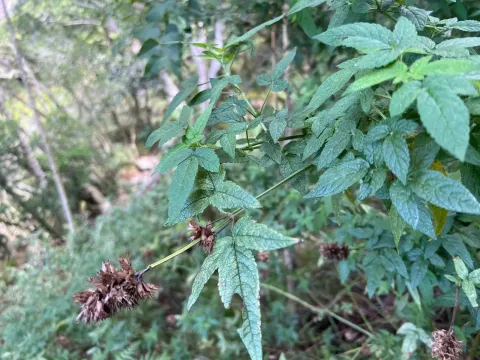
Cedronella
Cedronella
Cedronella (Cedronella canariensis) is a perennial aromatic plant belonging to the Lamiaceae family. In temperate climates, it is typically started from seeds indoors, as the seeds require consistent warmth to germinate effectively.
What the section contains

Cedronella
Sowing should take place in late February or early March using a light, nutrient-rich soil mix. Seeds are sown at a shallow depth, requiring steady moisture and temperatures of at least +20°C to ensure successful seedling emergence.
Seedlings are transplanted to the field only after all danger of frost has passed, usually in late May. Proper spacing, ideally 40–50 cm apart, is essential to accommodate the plant's vigorous growth during the summer season.
Before permanent planting, it is recommended to harden off the seedlings over two weeks. This process helps the plant adapt to fluctuating outdoor temperatures and intense sunlight, reducing transplant shock.
In warmer climates, direct sowing in the garden during April is possible. However, this method requires diligent site preparation, as slow-starting seedlings can easily be outcompeted by aggressive weeds in the early stages.
Cedronella thrives in sunny, sheltered locations protected from strong, drying winds. Because it is sensitive to freezing temperatures, it is often grown as an annual or a container plant in colder northern regions.
The ideal soil is loose, fertile, and well-drained. The plant cannot tolerate "wet feet"; therefore, excellent drainage is critical to prevent the development of root rot and other moisture-related issues.
Watering should be balanced, keeping the soil moist but avoiding prolonged saturation. During the peak of the growing season, a balanced liquid fertilizer can be applied to support rapid foliage development and essential oil production.
Regular cultivation, such as hoeing between rows, helps improve soil aeration and prevents crusting. Mulching can also be highly effective in maintaining uniform soil moisture and suppressing competitive weed growth.
If grown under glass or in a polytunnel, ensure high air circulation. High humidity levels without adequate ventilation can lead to fungal outbreaks on the leaves, which significantly impacts the quality of the harvested crop.
The most common threat to Cedronella is root rot, which typically occurs due to overwatering or poor soil drainage. Ensuring that the site is well-draining is the primary step in preventing this common issue.
Pests like spider mites and aphids may target the young leaves, especially in warm indoor environments or during periods of low humidity. These pests can cause significant damage to the foliage, which is the plant's main harvestable component.
Prevention relies heavily on crop rotation and avoiding planting in areas previously occupied by other members of the Lamiaceae family. This practice minimizes the build-up of specific soil-borne pathogens.
If an infestation occurs, it is best to use biological controls. As the plant is frequently used in cooking and herbal medicine, the use of synthetic pesticides should be avoided to ensure the final product remains safe and organic.
Routine inspection and sanitary pruning of any damaged or diseased leaves help maintain the health and vigor of the stand throughout the entire growing season.
Harvesting Cedronella leaves and flowering tops should be done during full bloom. This stage marks the period when essential oil concentrations are highest, ensuring the most potent aroma and flavor profile.
The best time to harvest is mid-morning, after the dew has evaporated but before the heat of the day causes essential oils to volatilize. Cutting at this time preserves the plant's aromatic integrity.
Drying must be conducted in a dark, well-ventilated space. Spreading the harvest in thin layers on racks allows for even airflow, which prevents mold and helps retain the characteristic fragrance and green color of the leaves.
Once fully dry, the leaves are stripped from the stems and stored in airtight glass containers. Proper storage in a cool, dark place prevents the degradation of aromatic compounds over extended periods.
Dried Cedronella is a prized ingredient in herbal tea blends, essential oil extraction, and artisanal culinary applications, making it a valuable specialty crop for small-scale herb growers.