
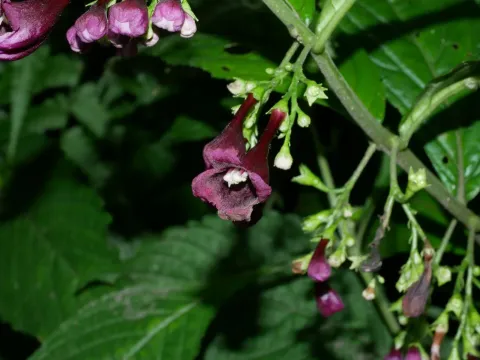
Chelonopsis
Chelonopsis
Chelonopsis is a perennial herbaceous plant that is typically propagated through seeds or vegetative division of the root system. In temperate climates, sowing seeds is best performed in late autumn or early spring, following a necessary period of cold stratification.
What the section contains
Chelonopsis
The optimal time for sowing in open ground is when soil temperatures reach 10–12 degrees Celsius. Seeds generally demonstrate high germination rates if moisture levels are maintained consistently throughout the critical initial phase of plant development.
For vegetative propagation, dividing the rhizomes should be carried out in early spring before active growth begins or during the autumn dormancy period. Plants should be spaced 40–50 centimeters apart to ensure adequate airflow and room for canopy development.
Using a greenhouse for starting seedlings can significantly accelerate the growth rate. Seeds are sown in trays in March, and seedlings are pricked out into individual pots once the first set of true leaves develops to ensure stronger root establishment.
Regardless of the method used, well-drained soil is essential, as young plants are sensitive to waterlogging. Choosing a site with partial shade protects the young specimens from harsh midday sun, encouraging faster root development and overall plant vigor.
Chelonopsis is a member of the Lamiaceae family, naturally occurring in the forest zones of East Asia, including China and Japan. The plant thrives in semi-shaded environments that replicate the moisture and light conditions found on the forest floor.
The ideal soil profile should be fertile, rich in organic matter, and maintain a neutral to slightly acidic pH level. Heavy clay soils must be amended with organic compost or coarse sand to improve drainage and root zone aeration, which is critical for health.
The plant has moderate climate requirements and shows good winter hardiness in temperate regions. However, in colder climates with harsh winters, providing a layer of organic mulch is recommended to protect the root crown from extreme freeze-thaw cycles.
Irrigation must be balanced; while the plant enjoys consistent moisture, prolonged waterlogging can lead to rhizome rot. During peak summer heat, providing extra humidity or light shading is beneficial to prevent foliage scorch and heat stress.
Fertilization is best performed during the active growing season using balanced mineral fertilizers or well-decomposed organic material. Excess nitrogen should be avoided, as it encourages excessive vegetative growth, which can potentially weaken the stem structure.
Under conditions of high humidity and poor ventilation, Chelonopsis can be susceptible to fungal infections such as powdery mildew. Proper plant spacing and avoiding overhead irrigation are key preventive measures to minimize the risk of these diseases.
Slugs and snails are the most common pests, particularly during wet seasons, as they feed on the soft leaves and emerging shoots. Implementing physical barriers or organic bait traps is often necessary to prevent significant damage to the plant foliage.
Aphids may occasionally infest the underside of leaves, sucking sap and reducing the plant's overall vitality. Early detection and treatment with mild insecticidal soaps or biological control agents can effectively manage these populations without causing harm.
Spider mites may develop in dry, hot conditions if humidity levels are not properly managed. Symptoms include a fine, dusty web on the undersides of leaves and chlorotic spots; in such cases, applying suitable acaricides is the standard remedial action.
General garden sanitation, including the removal of dead plant material in late autumn, is crucial for preventing the overwintering of fungal spores and pest larvae. A clean cultivation environment significantly reduces the need for heavy chemical applications.