
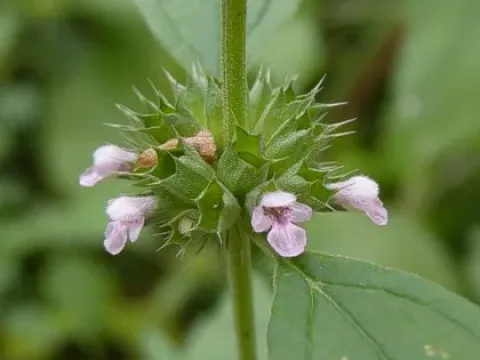
Leonurus marrubiastrum
Leonurus marrubiastrum
Leonurus marrubiastrum, commonly known as a member of the Lamiaceae family, is a biennial or short-lived herbaceous plant requiring precise agricultural management to achieve high biomass.
What the section contains
Leonurus marrubiastrum
Sowing typically takes place in early spring once the soil temperature consistently reaches 8-10 degrees Celsius, allowing for robust initial development of the leaf rosette.
Seeds should be planted at a shallow depth of approximately 1-2 centimeters, as they require light and sufficient soil contact to trigger germination effectively.
A row spacing of 45-60 centimeters is recommended in commercial cultivation to facilitate mechanical weed control and ensure optimal airflow between plants.
Early maintenance is critical; thinning the crop ensures that each plant receives adequate space, reducing competition for essential nutrients and moisture during the first growth stage.
The plant thrives in well-drained, fertile loamy or sandy soils with a neutral pH, demonstrating a moderate tolerance to various soil compositions.
As a sun-loving species, Leonurus marrubiastrum should be established in open, full-sun locations to maximize the synthesis of secondary metabolites.
It exhibits excellent winter hardiness, allowing it to survive temperate winter conditions without the need for additional ground protection or greenhouses.
While the plant is drought-tolerant once established, supplemental irrigation during the peak growing season significantly increases the final yield of the aerial parts.
Applying balanced fertilizers, particularly nitrogen-based inputs during early spring, supports vigorous vegetative growth and enhances the concentration of active medicinal compounds.
The primary agricultural goal for this crop is the harvest of the aerial parts (herb), which are widely used in the pharmaceutical industry for their sedative properties.
Yields of raw biomass typically range from 1.5 to 2.5 tonnes per hectare depending on the soil fertility levels and the specific agronomic management practices employed.
The highest quality of plant material is harvested at the onset of flowering, which is the stage when the accumulation of alkaloids and flavonoids reaches its maximum potential.
After harvesting, the biomass must be processed via dehydration at low temperatures, generally not exceeding 45 degrees Celsius, to prevent the thermal degradation of medicinal compounds.
Standardized post-harvest handling ensures that the final product meets regulatory purity and potency requirements for herbal medical markets.
Fungal diseases, specifically powdery mildew, represent a major threat to the crop, especially in areas with poor ventilation and high atmospheric humidity.
Pests such as aphids and spider mites can infest the foliage, causing stress to the plant and reducing the overall quality of the medical-grade biomass produced.
Effective management includes crop rotation and the rigorous removal of nearby weeds that might act as alternative hosts for these common agricultural pests.
Integrated pest management strategies should prioritize biological controls to ensure that the medicinal output remains free from synthetic pesticide residues.
Regular field scouting is essential to identify early infestation symptoms, allowing for immediate corrective actions to prevent widespread crop damage.
Harvesting is executed mechanically during the early flowering phase, ensuring that only the healthy aerial parts of the stems are collected for processing.
Stems should be cut roughly 10-15 centimeters above the ground, a practice that preserves the root system and can potentially allow for secondary growth under favorable conditions.
Immediate transportation to a drying facility is crucial to prevent the biomass from heating up, which can lead to rapid fermentation and loss of active substances.
Quality sorting is performed post-harvest to exclude woody stem bases and undesirable plant materials that do not contribute to the efficacy of the final herbal preparation.
Proper storage in dry, cool, and dark conditions maintains the chemical stability of the harvested herb for extended periods before it is utilized by manufacturers.