
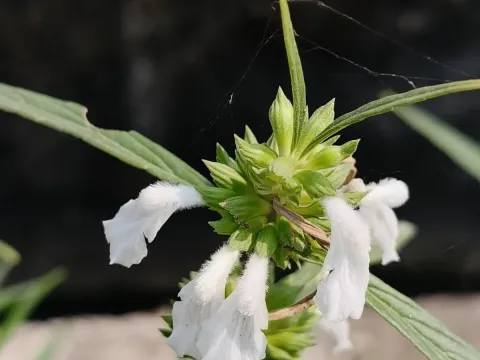
Leucas
Leucas
Leucas is a genus of plants belonging to the Lamiaceae family, which includes numerous species used for both medicinal and traditional agricultural purposes. Successful cultivation begins with precise timing aligned with the local frost-free season.
What the section contains

Leucas
The seeds of Leucas typically require a warm environment to germinate. It is best to sow them directly into the soil once the ground temperatures consistently exceed 20 degrees Celsius to ensure vigorous early growth.
Surface sowing or very shallow coverage is recommended, as the seeds benefit from light exposure to trigger germination. Proper seedbed preparation is crucial to ensure good contact between the seed and the soil moisture.
For large-scale cultivation, row planting with a spacing of 45 to 60 cm between rows is ideal, as this provides the necessary air circulation and room for the plants to spread effectively.
Starting the plants in trays as seedlings can be advantageous for extending the growing season, especially in regions with shorter summers, allowing for an earlier harvest of biomass.
Leucas thrives in bright, direct sunlight. As a member of the mint family, it requires full sun exposure to optimize the synthesis of its aromatic compounds and maintain robust, healthy growth.
Well-drained soil is a non-negotiable requirement. The plant is sensitive to waterlogged conditions, which can lead to rapid root rot, so sandy or loamy soils with excellent drainage are preferred.
While the plant shows good resilience to temporary droughts, consistent irrigation during the peak growing phase will significantly improve the overall yield of foliage and quality of the final harvest.
The ideal temperature range for Leucas is between 22 and 30 degrees Celsius. It is highly sensitive to frost, and even temperatures slightly above freezing can severely damage the plant's delicate tissues.
Balanced organic fertilizers applied at the beginning of the vegetative stage help support strong stem development, while avoiding excessive nitrogen later in the season promotes better floral development.
The yield of Leucas depends heavily on the total solar radiation received during the growing season and the management of irrigation to prevent plant stress.
Frequent, light harvesting of the tips during the vegetative phase can encourage bushier growth, thereby potentially increasing the total harvestable biomass by the end of the season.
When grown for seed production, yield optimization requires limiting vegetative pruning once the plant transitions into the reproductive phase, allowing energy to focus on seed development.
Industrial yields vary by region, but with high-intensity management, multiple cuttings per season are feasible in tropical or subtropical climates, significantly boosting output.
Quality control remains essential, as the market value of the harvested material is often dictated by the purity and concentration of the plant's natural essential oils.
Leucas is generally robust, but like many Lamiaceae, it can suffer from root rot if drainage is insufficient, especially during periods of heavy and prolonged rainfall.
Aphids and spider mites are the most common pests that can affect Leucas. Regular scouting is recommended to catch infestations early before they significantly impact the plant's vitality.
Fungal issues, such as powdery mildew, may occur in conditions of high humidity combined with poor air circulation, necessitating adequate plant spacing to mitigate the risk.
Integrated pest management, including the use of beneficial insects and neem-based sprays, is preferred over harsh chemical pesticides to maintain the safety of the end product.
Crop rotation is a vital agricultural practice for Leucas; planting it in the same spot for consecutive years can lead to the build-up of soil-borne pathogens and declining soil health.
The prime time for harvesting Leucas is at the onset of full flowering. This is when the plant's metabolic activity focuses on secondary metabolites, ensuring the highest concentration of active compounds.
Harvesting should occur on a dry, sunny morning after the dew has evaporated, as this prevents excessive moisture buildup during the drying process and preserves oil quality.
The stems should be cut cleanly, and the material must be moved to a drying shed as quickly as possible to prevent degradation by UV light or heat exposure.
Controlled air-drying in a shaded, ventilated area is the most effective method for preserving the essential oils. Excessive heat should be avoided to prevent the loss of volatile compounds.
Final storage should be in airtight, opaque containers placed in a cool, dry environment to maintain the potency and shelf-life of the harvested Leucas herbs.