
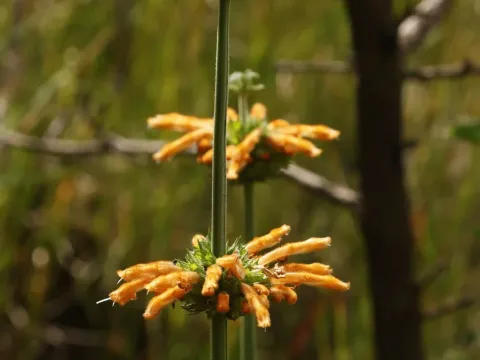
Leonotis
Leonotis
Leonotis is a thermophilic culture that requires careful planning regarding planting dates. In temperate zones, it is best grown as an annual by starting seeds indoors during March or early April.
What the section contains


Leonotis
Seeds should be sown in a light, nutrient-rich substrate at a depth of approximately 0.5 cm. Maintaining a steady temperature around 20-22 degrees Celsius is crucial for consistent germination.
Seedlings must be transplanted to the open field only after all risks of frost have passed. Late May or early June is the ideal window, ensuring the soil has warmed up sufficiently.
Direct sowing in the field is only recommended for warmer southern climates and should be done in May. Careful soil moisture management is required during the initial germination phase.
Proper spacing is vital for the development of these robust plants. Ensure at least 40-50 cm between individuals to allow for airflow and prevent overcrowding in the field.
Belonging to the Lamiaceae family, Leonotis originated in South Africa and thrives in environments with high solar intensity. It should be planted in the most sun-drenched areas of the farm.
The crop prefers light, well-draining soils with a neutral or slightly acidic pH. Waterlogging is extremely detrimental and can cause rapid root decay, requiring careful soil site selection.
While established plants show some drought tolerance, regular irrigation is necessary during the active growth phase to ensure optimal biomass production and flower development.
Agronomic management includes moderate fertilizer applications during the vegetative stage. Excessive nitrogen should be avoided as it promotes vegetative growth rather than floral output.
Leonotis is not frost-tolerant. In cooler climates, growers treat it as an annual or overwinter the rhizomes in frost-free, cool storage facilities to protect them from winterkill.
The primary agricultural use of Leonotis involves harvesting its striking inflorescences for decorative, floral, and medicinal supply chains. Yield quality is judged by petal vibrancy and plant health.
Productivity is highly dependent on environmental conditions and the intensity of care. Regular pruning of spent blooms can help extend the flowering season and increase total harvest yield.
The crop is highly valued as a late-season honey plant, supporting local pollinator populations which can enhance the productivity of neighboring agricultural crops.
Harvesting should occur when flower whorls are fully open but before they begin to fade. Harvesting in the early morning, once dew has evaporated, ensures the highest quality of raw material.
Post-harvest processing requires immediate drying in dark, well-ventilated areas to prevent spoilage and maintain the chemical integrity of the dried plant matter.
The most significant threats to Leonotis are fungal infections such as powdery mildew, which thrive in high-humidity conditions or areas with stagnant air circulation.
Common agricultural pests include aphids and spider mites, which can quickly colonize the plant. Early detection through regular crop scouting is essential for effective pest management.
Integrated pest management strategies, including the use of biological control agents or insecticidal soaps, are recommended to maintain the quality of the raw herbal material.
Cultural prevention practices, such as maintaining proper plant spacing and avoiding overhead irrigation, are the best methods to minimize disease outbreaks in the field.
In cases of severe infestation or infection, prompt removal of affected plant material is necessary to prevent the spread of pathogens to the rest of the crop.