
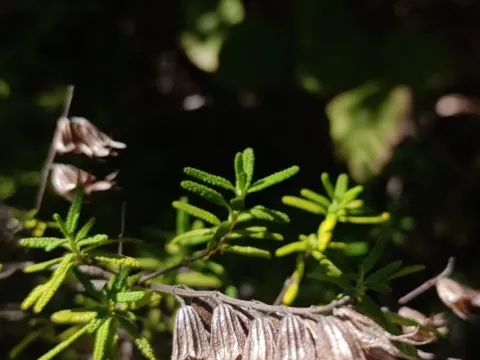
Lepechinia
Lepechinia
Sowing Lepechinia seeds in temperate climates is best initiated in March or April to produce healthy, transplant-ready seedlings.
What the section contains


Lepechinia
The seeds require a period of cold stratification to break dormancy, which significantly increases germination rates and uniformity.
Transplanting to the field should be delayed until all risks of frost have passed to ensure the establishment of the young plants.
A spacing of 40-50 centimeters between plants is recommended, as the species exhibits vigorous growth and lateral branching habits.
In southern latitudes, direct seeding into prepared soil is feasible starting in late April once soil temperatures stabilize above 15 degrees Celsius.
Lepechinia is a member of the Lamiaceae family, known for its robustness and adaptability to various environmental conditions.
The crop thrives in full sun but maintains good health in partial shade, making it a versatile addition to agricultural sites.
Well-draining, loose soil rich in organic matter is essential to prevent root rot and ensure adequate nutrient uptake for the perennials.
While the plant shows notable drought tolerance once established, regular and consistent irrigation is necessary for maximum leaf yields.
In colder regions, winter protection such as mulch or horticultural fleece is critical to prevent winter kill and ensure perennial survival.
Gastropods, particularly slugs and snails, pose a major threat to foliage, especially during periods of high humidity or excessive rainfall.
Poor ventilation and high humidity levels can lead to outbreaks of powdery mildew, which affects the quality of the harvested biomass.
Aphid infestations can occur during peak summer months, potentially weakening the plant and encouraging secondary fungal issues.
Root system health is frequently compromised by waterlogged soils, making site selection and proper drainage the primary defense mechanisms.
Regular monitoring and weeding are vital practices to maintain plant health and prevent the spread of soil-borne pathogens across the field.
The harvest of leaves and flowering tops should be timed with the peak blooming season, as this is when essential oil content is highest.
Plants should be cut approximately 10-15 centimeters above the ground, allowing for quick regrowth and protection of the crown.
Drying must occur in a dark, airy environment to preserve the volatile oils and characteristic medicinal properties of the herb.
Second harvests are possible provided the plants receive sufficient hydration and a mild post-harvest fertilizer application.
Post-harvest storage requires airtight containers kept away from light and humidity to maintain the integrity of the herbal material.