
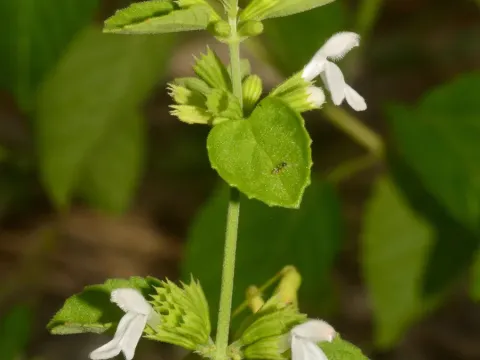
Leucas decemdentata
Leucas decemdentata
Leucas decemdentata is a specialized plant species within the Lamiaceae family, known for its distinct botanical structure and chemical profile. It is primarily valued for its potential in pharmaceutical applications and secondary metabolite production.
What the section contains
Leucas decemdentata
The plant thrives in well-drained, sandy loam soils that provide excellent aeration. It requires full sunlight exposure to reach its peak development, and it is moderately drought-tolerant once established in the field.
Climate requirements for this species include warm conditions with an optimal range between 20°C and 28°C. It is sensitive to extreme frost, which necessitates careful timing of planting in temperate climatic zones.
Agrotechnical practices involve regular inter-row cultivation to control weeds and enhance soil gas exchange. Proper spacing is critical to ensure that individual plants receive adequate nutrients and light to prevent overcrowding.
From a хозяйственное use perspective, the foliage is harvested for its volatile compounds. Farmers are increasingly interested in this crop as a niche alternative to more common herbal species due to its specific market demand.
Powdery mildew represents a significant threat to Leucas decemdentata, especially when plant density is high and air circulation is insufficient within the canopy.
Root system issues, particularly those caused by soil-borne pathogens, are common in areas with poor drainage or over-irrigation strategies.
Insects like aphids and mites are the primary pests that damage leaves and flower heads, which directly affects the biomass quality required for commercial processing.
Effective management requires a combination of crop rotation practices and the selection of disease-resistant varieties if available in the regional agricultural market.
Integrated Pest Management (IPM) protocols should be prioritized to maintain the chemical integrity of the harvested medicinal raw materials.