
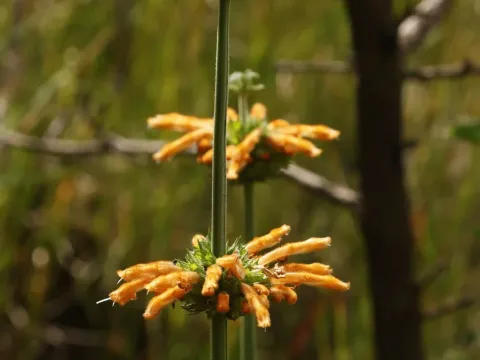
Leonotis
Leonotis (Pers.) R. Br.
Direct sowing of Leonotis seeds in open fields should occur in late spring once the soil temperature is consistently above 15 degrees Celsius.
What the section contains
Leonotis
For colder climates, starting seeds indoors in containers during early spring is highly recommended to extend the growing season significantly.
Seeds are tiny and require exposure to light for germination; therefore, they should be lightly pressed onto the soil surface rather than buried deep.
Once seedlings develop two sets of true leaves, they should be transplanted into individual pots to strengthen their root systems before final outdoor placement.
Acclimatization of indoor-raised seedlings to outdoor conditions should be done gradually over a week to prevent transplant shock.
Leonotis belongs to the Lamiaceae family and originates from Southern Africa, thriving best in warm, sunny environments with high levels of direct solar radiation.
Well-draining, sandy or loamy soil is essential for success, as the plant is highly susceptible to root decay when subjected to waterlogged conditions.
The plant demonstrates good tolerance to heat and moderate drought once established, though consistent moisture is vital during the early vegetative stage.
To maximize flower production, the application of a balanced fertilizer with increased potassium content is suggested before the budding phase begins.
Providing adequate spacing between individual plants is necessary to ensure good air circulation, which helps maintain the overall health of the crop.
Root rot is the most common threat to Leonotis, often triggered by poor drainage or overwatering during periods of high humidity or low light.
Powdery mildew may manifest as a white film on leaves in environments with restricted airflow or during periods of excessive rainfall.
Aphids and spider mites are typical pests that infest the tips of young shoots, causing leaf curling and reduced vitality in the plant.
Integrated pest management, including the use of neem oil or insecticidal soaps, is effective in controlling infestations without harming beneficial insects.
Routine inspection of the underside of leaves and stems can help detect early signs of pest activity, allowing for swift and localized treatment.
For ornamental purposes, stems should be harvested when the first two or three tiers of flower whorls have fully opened to ensure longevity.
When harvesting for dried arrangements, cut the stems early in the day after the dew has evaporated, then hang them upside down in a dark room.
Seed harvesting should take place late in the season when the flower clusters turn brown and dry, signaling that the seeds are mature and viable.
After collection, seeds must be thoroughly dried and stored in breathable containers, such as paper envelopes, to prevent fungal contamination.
At the end of the frost-free season, the entire plant should be cut back, and in colder regions, a thick mulch layer should be applied to protect the crown.