
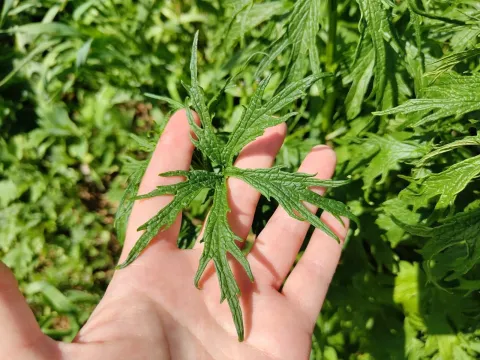
Leonurus glaucescens
Leonurus glaucescens
Sowing of Leonurus glaucescens is best performed during late autumn or early spring as soon as the soil is workable. Fall planting is often preferred in temperate climates as it allows the seeds to undergo natural stratification, improving the germination rate significantly.
What the section contains
Leonurus glaucescens
For spring sowing, seeds must undergo cold stratification at temperatures between 0–5 degrees Celsius for 4–6 weeks before planting. Proper preparation of the seedbed is essential, as the seeds are quite small and should not be buried deeper than 1–2 centimeters.
The recommended seeding rate is approximately 10–12 kilograms per hectare using a standard row drilling method. Keeping rows spaced 45–60 centimeters apart ensures enough room for plant development and allows for efficient mechanical weeding and maintenance.
After seeding, it is highly recommended to roll the soil surface to ensure good seed-to-soil contact. This practice helps to retain essential soil moisture in the upper layer, which is critical for the establishment of small-seeded medicinal crops.
In the first year, growth is typically slow as the plant establishes its root system and forms a basal leaf rosette. Growers should monitor the field closely for weed encroachment during this initial phase to prevent resource competition.
Leonurus glaucescens is a hardy, drought-tolerant perennial species belonging to the Lamiaceae family. It is exceptionally well-adapted to steppe and semi-arid climates, making it a reliable crop for regions with limited irrigation resources.
The plant requires full sun exposure to maximize the accumulation of biologically active compounds, such as alkaloids and flavonoids. Shaded conditions lead to weak stems, reduced leaf mass, and lower concentrations of medicinal ingredients.
While not overly demanding, the crop thrives in fertile chernozem or loamy soils with a neutral to slightly alkaline pH. It strictly avoids waterlogged environments, as excess moisture often leads to root rot and diminished plant vigor.
This species is highly cold-hardy, capable of surviving harsh winter conditions without specialized protection. Its resilience to temperature fluctuations makes it a low-risk perennial crop for various temperate geographic zones.
Providing balanced nitrogen-rich fertilization during the first season significantly boosts biomass production. In subsequent years, the established, deep-reaching root system allows the plant to efficiently uptake nutrients from the soil profile.
Yield potential increases significantly from the second year onwards as the root system matures. Under optimal management, farmers can expect a dry biomass yield of 20–30 centners per hectare during the peak growing season.
The harvest timing is critical; the highest levels of medicinal active components occur during the early-to-mid flowering stages. Managing the harvest schedule based on phenological development is essential for producing high-quality herbal material.
A well-managed stand can remain productive for 5–7 years before yields start to decline due to rootstock aging. Implementing a crop rotation strategy is advisable to maintain long-term farm productivity and soil health.
In southern regions, it is possible to achieve two harvests per season if moisture is managed correctly. This double-cut approach maximizes the return on investment and increases the efficiency of the land usage for pharmaceutical production.
The profitability of Leonurus glaucescens cultivation is supported by its low maintenance costs after establishment. It serves as a stable and reliable source of raw material for the herbal supplement and pharmaceutical industries.
Powdery mildew is the most common disease affecting Leonurus glaucescens, particularly in high-humidity or poorly ventilated conditions. It presents as a white, powdery fungal growth on leaves, which can reduce the overall quality of the harvested crop.
Root rots and various fungal leaf spots can occur if drainage is poor or if the same site is used for too long without rotation. Maintaining healthy soil conditions and allowing proper spacing between plants are the best preventative measures against these issues.
Pests such as aphids and leaf-eating beetles can cause significant damage, especially to young plants. Regular monitoring of the field is necessary to determine if intervention is needed to protect the foliage and developing flower stalks.
Integrated Pest Management (IPM) practices, including the use of authorized biological controls, are highly recommended to keep the produce free from toxic residues. Strategic placement of fields away from heavily infested wild patches is also a useful deterrent.
Good field hygiene, including the prompt removal of crop residues after harvest, helps to break the lifecycle of many pests and diseases. A proactive approach to crop health is the cornerstone of sustainable medicinal herb production.
The primary harvest window coincides with the onset of mass flowering, when approximately 50% of the plants show open flowers. Cutting the crop at this stage ensures the highest potency of the collected herbal material.
Harvesting is typically performed using mechanical mowers set to cut at a height of 10–15 centimeters above the soil. This height prevents damage to the crown of the plant, allowing for faster regrowth and a second harvest if environmental conditions permit.
Rapid post-harvest handling is vital; the cut material should be moved to a drying facility immediately. Drying should be carried out at temperatures not exceeding 50 degrees Celsius to prevent the degradation of volatile oils and medicinal compounds.
Sorting and cleaning the material to remove weeds and debris should be done before the drying process begins. High-quality dry matter must be free from mold, discoloration, and foreign contaminants to meet commercial pharmacopoeia standards.
Once dried to a moisture content of 12–14%, the product should be baled or packaged in breathable material. Storing the crop in a cool, dry, and well-ventilated warehouse ensures the preservation of its medicinal properties until market delivery.